
If you walk around the marina in Cabo San Lucas or lounge by a resort pool in San Jose del Cabo this winter, you are going to hear a lot more Canadian accents than usual. While Los Cabos has spent decades acting as the ultimate weekend playground for travelers flying down from California, Texas, and Arizona, a major demographic shift is happening at the tip of the Baja peninsula in 2026.
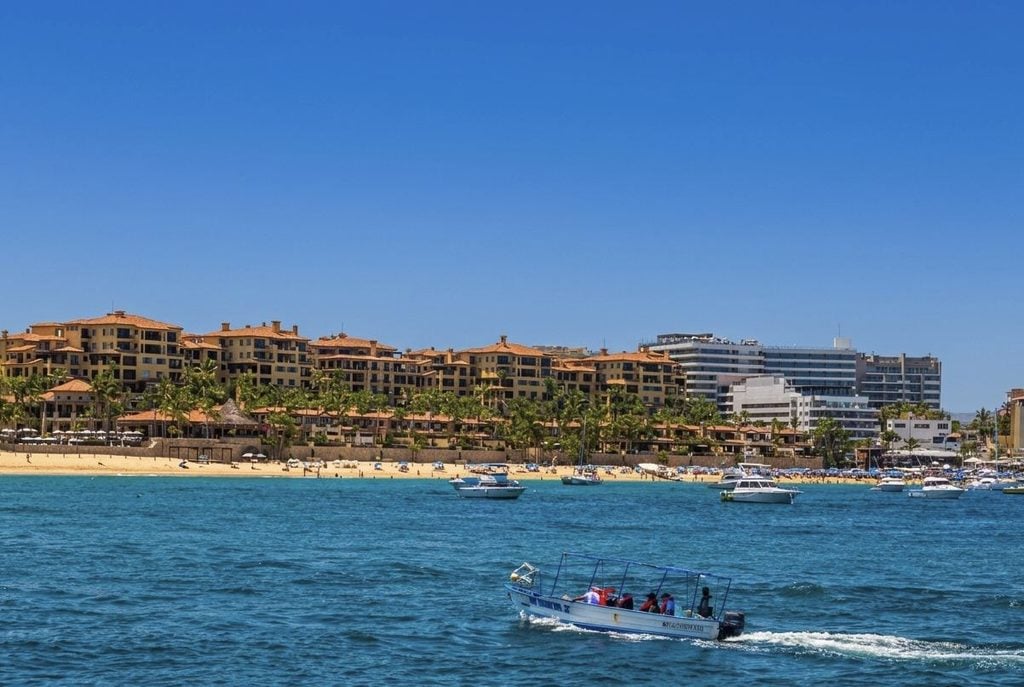
According to the latest November 2026 passenger figures from airport operator Grupo Aeroportuario del Pacifico (GAP), international arrivals at Los Cabos International Airport (SJD) dropped by 8.2 percent over the first 10 months of the year, falling to 3,516,000 international passengers compared to the same stretch in 2025. That dip is driven almost entirely by a pullback from American travelers, where U.S. airline seat bookings for the second half of 2026 dropped roughly 13 percent year-over-year.
At the exact same time, the Canadian market is exploding, jumping from 200,000 annual visitors in 2024 to a projected record 300,000 Canadians in 2026. This shift comes down to the hard numbers on why Americans are pulling back on Cabo right now, why Canadians are rushing in to take their place, and what this means for your winter trip.


3 Reasons Fewer Americans Are Visiting Los Cabos
The slowdown in American arrivals has nothing to do with travelers falling out of love with Baja’s beaches. Instead, hard industry data from the National Business Tourism Council (CNET) and the Los Cabos Tourism Trust (FITURCA) points to 3 specific roadblocks pricing out or slowing down U.S. vacationers:
1. Massive U.S. Airline Seat Cuts And High Airfare:
You cannot have record tourist numbers when airlines shrink the number of seats flying into town. Due to aircraft delivery delays, engine maintenance backlogs, and route restructuring, U.S. carriers slashed roughly 989,000 seats to Mexican beach destinations during the peak summer and fall months of 2026, marking a 21.5 percent capacity cut. With fewer planes flying routes from hubs like Los Angeles (down 1.5 percentage points in market share) and Dallas-Fort Worth, Mexico’s National Business Tourism Council warned that post-Spring Break airfares from the United States to Los Cabos hit some of their highest levels on record.


2. $500 Nightly Resort Sticker Shock For Weekend Trippers:
Americans traditionally treat Los Cabos as a quick 3 to 5-day long-weekend getaway, staying an average of just 5.6 nights. However, with 80 percent of Cabo’s hotel inventory now concentrated in the 5-star luxury tier and average nightly rates hovering between $450 and $500 USD, a quick 4-night weekend escape from California now easily tops $3,000 before you even buy a taco or a margarita. Everyday middle-class American families are experiencing severe price fatigue and opting for cheaper domestic trips or budget all-inclusives in Cancun instead.
3. Corporate Travel Freezes Over Mainland Headlines:

Even though Los Cabos sits isolated at the tip of a peninsula over 1,000 miles away from mainland trouble spots, FITURCA officials noted that sensationalized U.S. media coverage of mainland security incidents earlier this year caused several American corporations to issue blanket pauses on employee travel to Mexico. That knee-jerk reaction wiped out a noticeable chunk of high-volume U.S. corporate retreats, incentive trips, and conferences during the spring and summer months.
Why Canadian Visitors Are Skyrocketing To 300,000
While short-trip Americans are balking at high weekend flight and hotel prices, Canadian travelers are viewing Los Cabos through a completely different lens:
1. A 35% Surge In Direct Canadian Flights:
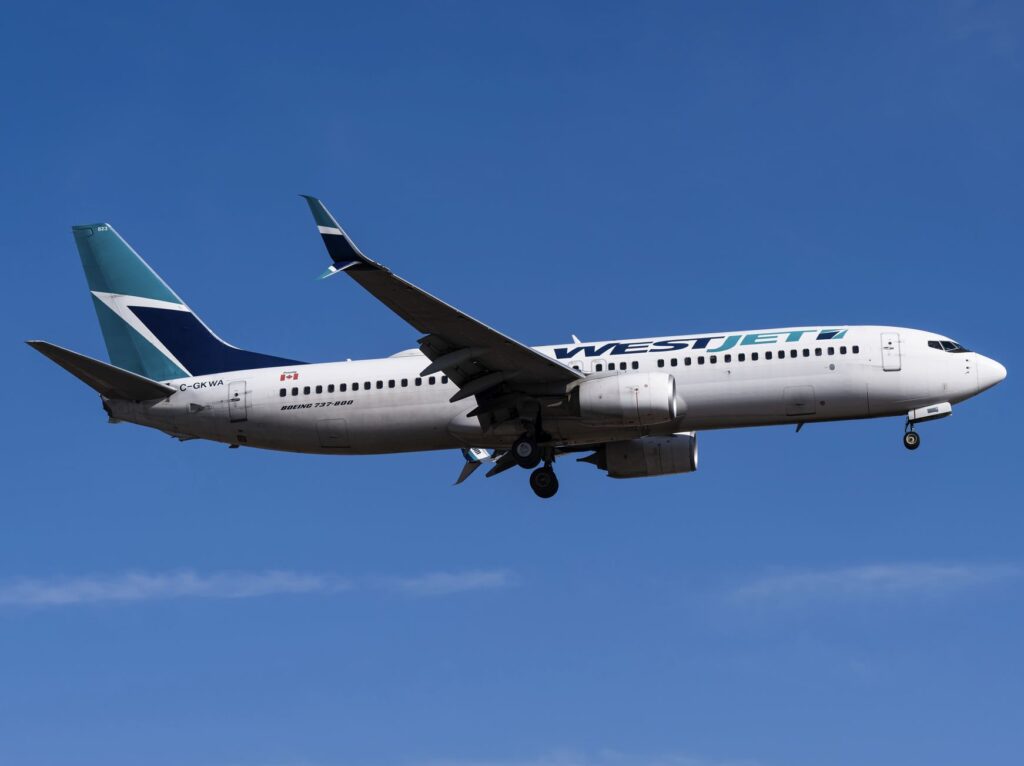
While U.S. airlines trimmed capacity, Canadian airlines went on an aggressive expansion spree. Direct winter airline seat capacity from Canada to Los Cabos is up 35 percent for the 2026-2027 winter season, connecting 9 Canadian cities nonstop to SJD. Major carriers including WestJet, Air Transat, and Porter Airlines rolled out 5 brand-new direct routes from Toronto, Montreal, Ottawa, Edmonton, and Regina. With a direct flight from Toronto taking around 5.5 hours, Eastern Canadians now have effortless access to a destination that used to require annoying U.S. layovers.

2. Snowbirds Trading The U.S. Sunbelt For Baja:
For decades, Canadian snowbirds flocked to Arizona, California, and Florida to escape the winter freeze. In 2026, thousands of those long-stay travelers are skipping the United States altogether. Between a brutal U.S.-to-Canadian dollar exchange rate that makes American desert towns feel overpriced and a desire to avoid election-season friction north of the border, Canadians are heading straight to Baja California Sur for guaranteed sunshine and dry desert heat.

3. Staying 11 Nights And Renting Condos Instead Of $500 Hotels:
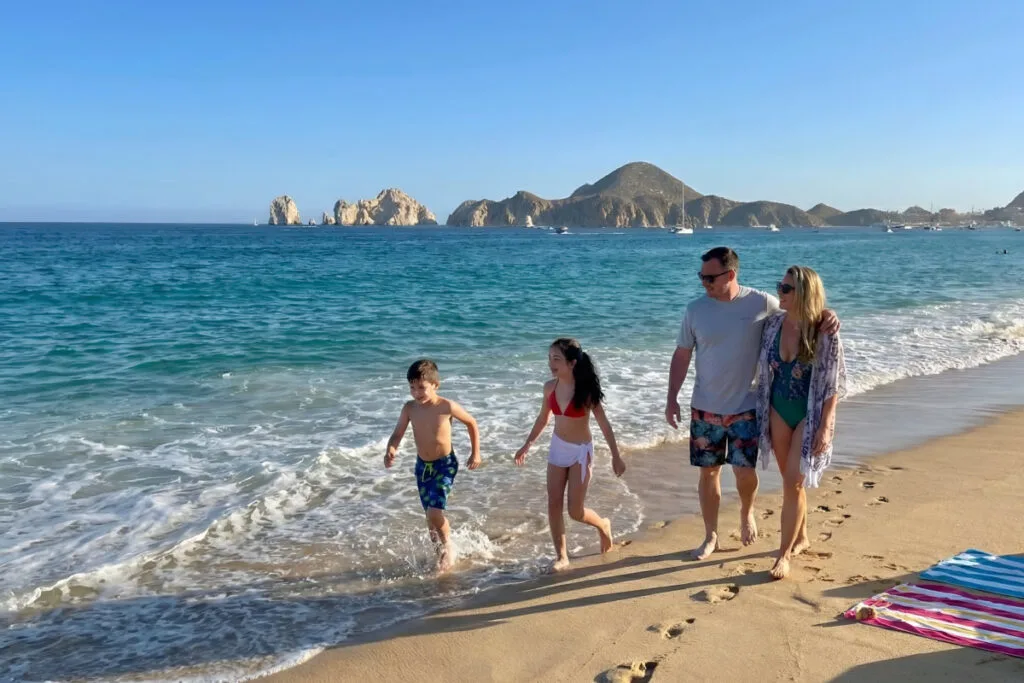
The biggest reason Canadians are unfazed by Cabo’s $500 luxury resort rates is how they travel. According to the Los Cabos Tourism Board, Canadians treat Cabo as their main annual winter holiday rather than a quick weekend trip, staying an average of 11 nights (nearly double the American average) and spending around $4,600 per trip. Because they stay for 2 weeks to 2 months at a time, huge numbers of Canadians bypass the $500-a-night Tourist Corridor resorts completely. Instead, they book multi-week condo rentals and Airbnbs in downtown Cabo San Lucas and San Jose del Cabo, shopping at local grocery stores and eating at neighborhood taco spots, which brings the daily cost of a Cabo vacation way down.
Cabo’s Visitor Shift
The Ultimate Cabo Trip Planner
When’s the best time to go? Our powerful month-by-month guide breaks down the weather, crowds, hotel rates, and whale watching seasons for your perfect trip.
Find Your Perfect Los Cabos Resort In Seconds
This simple, powerful tool was built by our on-the-ground experts to match you with the ideal resort for your specific budget and travel style.
Subscribe to our Latest Posts
Enter your email address to subscribe to The Cabo Sun’s latest breaking news affecting travelers, straight to your inbox.