
The massive humpback and gray whales that put on a spectacular show off the coast of Baja California Sur every winter are packing their bags. The official whale watching season in Los Cabos has come to a close today.
If you are just arriving in town and hoping to see a fifty-ton giant breach out of the water while you sip your morning coffee on your hotel balcony, you are going to be disappointed. The whales have officially begun their long, ten-thousand-mile migration back up north to the freezing, nutrient-rich waters of Alaska and Russia. They spend their summers up there feeding and building up their blubber reserves before making the long swim south again next year.
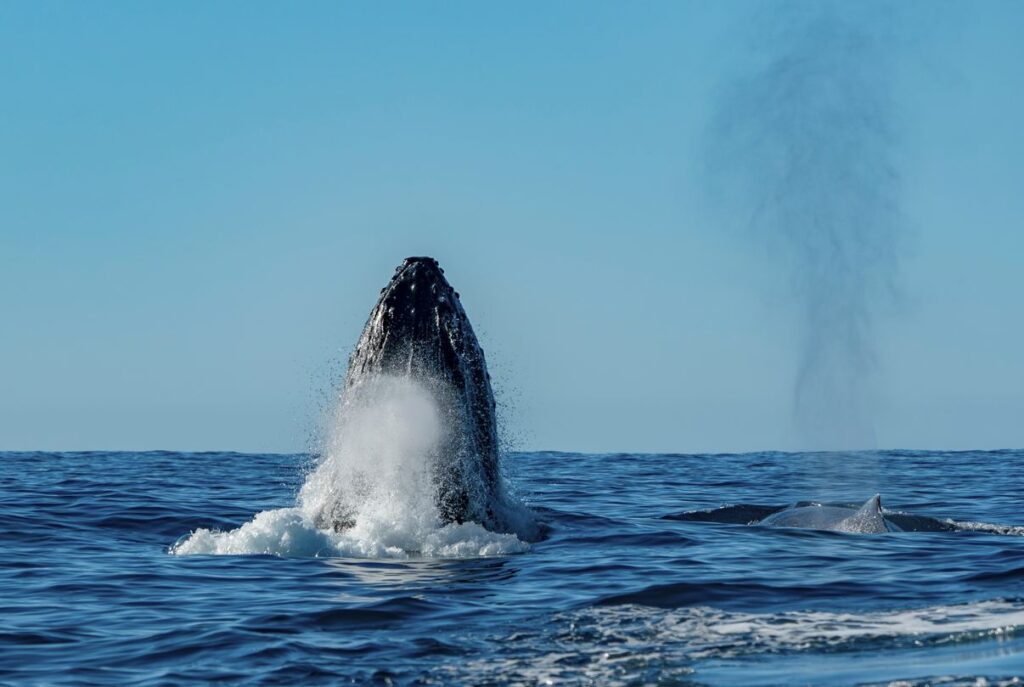
As the local Cabo San Lucas marina transitions out of the heavy whale traffic and pivots entirely into the summer sportfishing and snorkeling months, here are the three major things travelers need to know about the end of the season.
1. Booking A Whale Tour In The Summer Is A Poor Investment
Do not let a salesman with a clipboard on the marina talk you into a “whale sighting” tour in the summer. The official window set by Mexico’s environmental agencies runs strictly from mid-December through the end of April.
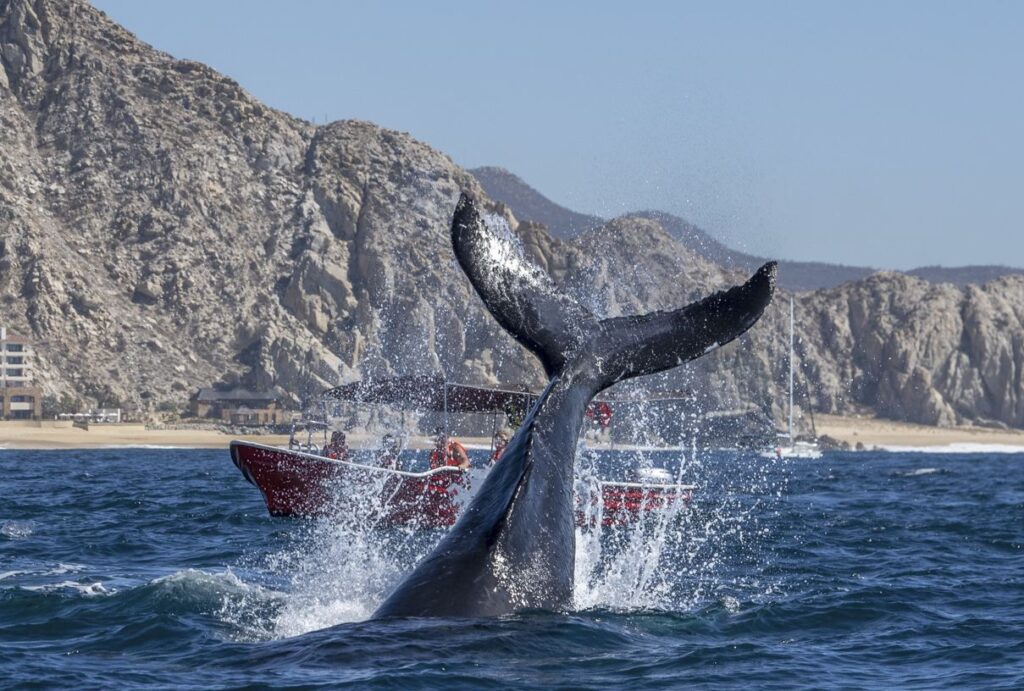
While the ocean is wild and unpredictable, and a random straggler might occasionally swim by, the vast majority of the population has already left the Sea of Cortez. If you book a dedicated whale watching boat right now, you are essentially paying premium, high-season prices for a long, hot boat ride looking at empty water. Many tour companies selling “whale tours” in the summer are just taking your money, knowing full well the migration is over. You might see a pod of local dolphins or a sea lion taking a nap on a rock, but the breathtaking breaches and tail slaps that make the tours famous are completely done for the year. Save your money and put it toward a different excursion that actually delivers on its promise.


2. When The Official Season Will Return
If seeing the whales is an absolute bucket list item for you, you need to mark your calendar for next winter. The giants will make their return to Los Cabos starting in mid-December of 2026.
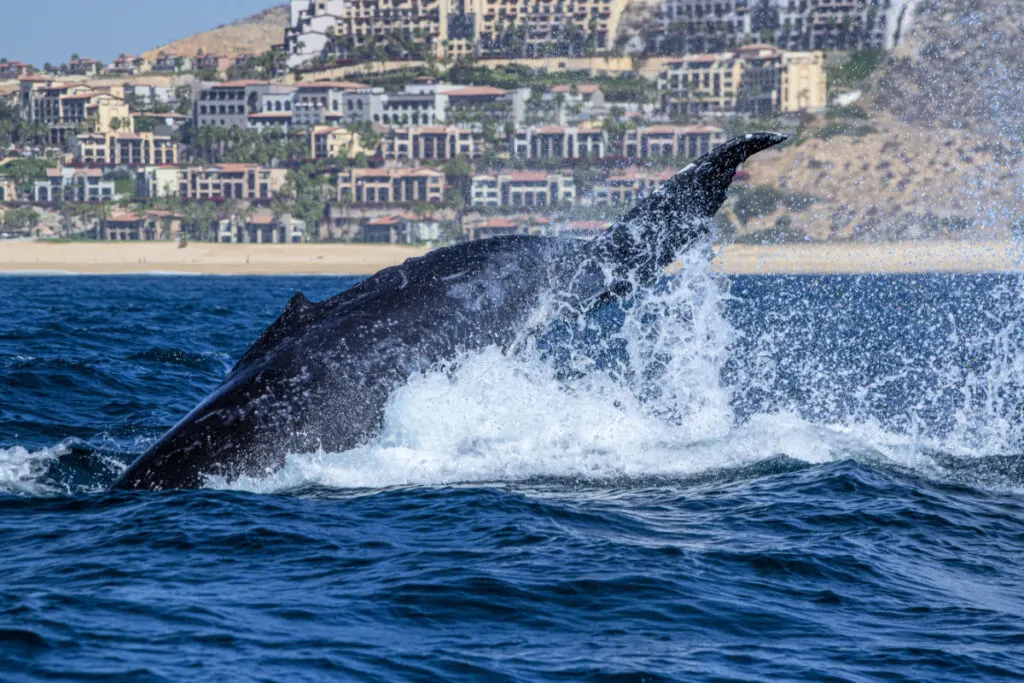
The whales migrate south to the warm, shallow bays around the Baja peninsula for two very specific reasons: to mate and to give birth to their calves. The ocean here provides a safe sanctuary away from major predators like orcas. If you want the absolute best chance to see intense surface activity, plan your next vacation between late January and early March. During these peak months, the water is filled with competitive male humpbacks putting on massive jumping displays to attract females. You will also see mothers teaching their newborn calves how to swim and breathe near the surface. It is a completely different ocean during those months, and sightings are practically guaranteed by almost every major tour operator in the city.

3. Alternative Activities: What To Do On The Water Now
Just because the whales are gone does not mean you should avoid the marina. Late spring and early summer in Cabo offer some of the best water conditions of the entire year. The heavy winter winds die down, and the Sea of Cortez flattens out like a sheet of glass.
Instead of searching for empty water on a whale tour, shift your focus to the dramatic coastline. Book a sunset cruise out to the famous Arch at Land’s End. A luxury catamaran trip that includes an open bar and dinner is a much better use of your vacation budget right now. The golden hour lighting against the rock formations is unbelievable, the water is incredibly calm, and you get a perfect view of Lover’s Beach without the massive daytime crowds.


If you want to be in the water rather than just riding on top of it, this is the perfect time to book a snorkeling excursion. The ocean temperature is rising rapidly, making it comfortable to swim for hours without needing a thick wetsuit. Head up the Golden Corridor to Chileno Bay or Santa Maria Beach. These protected coves restrict motorized boat traffic, creating a massive natural swimming pool. The water clarity right now is phenomenal, and the reefs are packed with colorful tropical fish, sea turtles, and manta rays.
The marine life in Cabo never sleeps. The stars of the winter show might have headed north, but the summer ocean is just getting started.
Whale Season Update
The Ultimate Cabo Trip Planner
When’s the best time to go? Our powerful month-by-month guide breaks down the weather, crowds, hotel rates, and whale watching seasons for your perfect trip.
Find Your Perfect Los Cabos Resort In Seconds
This simple, powerful tool was built by our on-the-ground experts to match you with the ideal resort for your specific budget and travel style.
Subscribe to our Latest Posts
Enter your email address to subscribe to The Cabo Sun’s latest breaking news affecting travelers, straight to your inbox.