
Los Cabos is globally recognized for its massive, high-energy luxury resorts, vibrant nightlife, and the iconic rock formations at Land’s End. However, despite the abundance of amenities in Cabo San Lucas and the Tourist Corridor, a massive shift in traveler behavior is happening. An unprecedented number of tourists are choosing to briefly leave the resort bubble, rent a car, and drive hours north in search of untouched natural beauty.
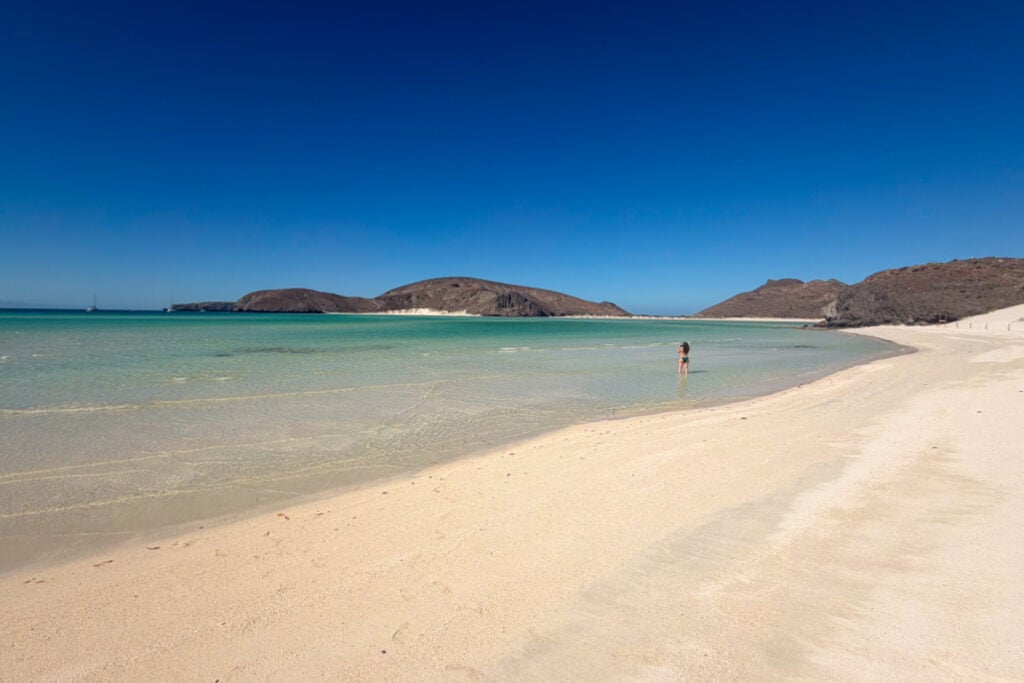
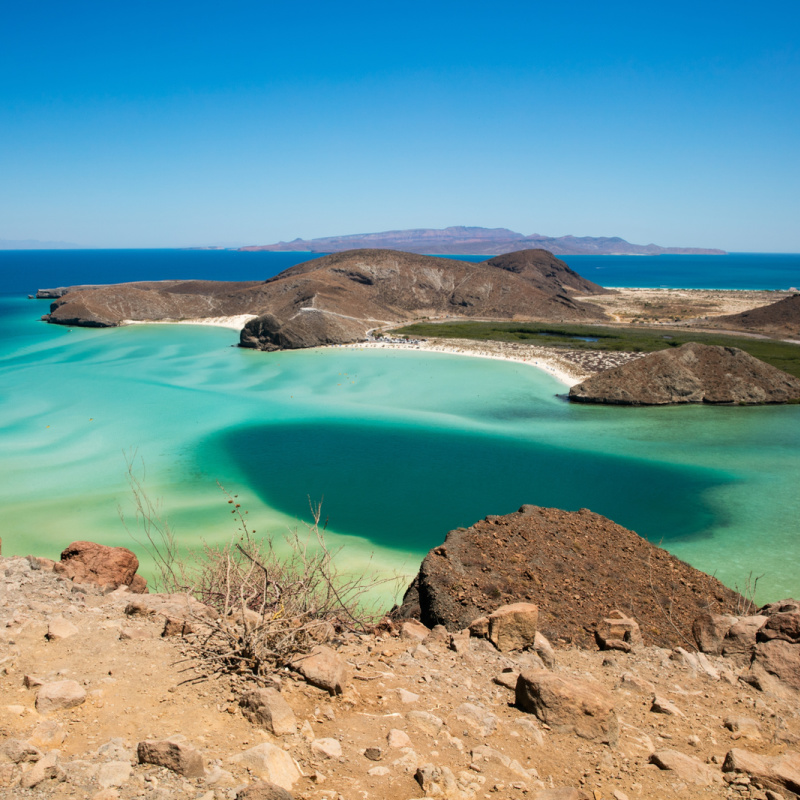
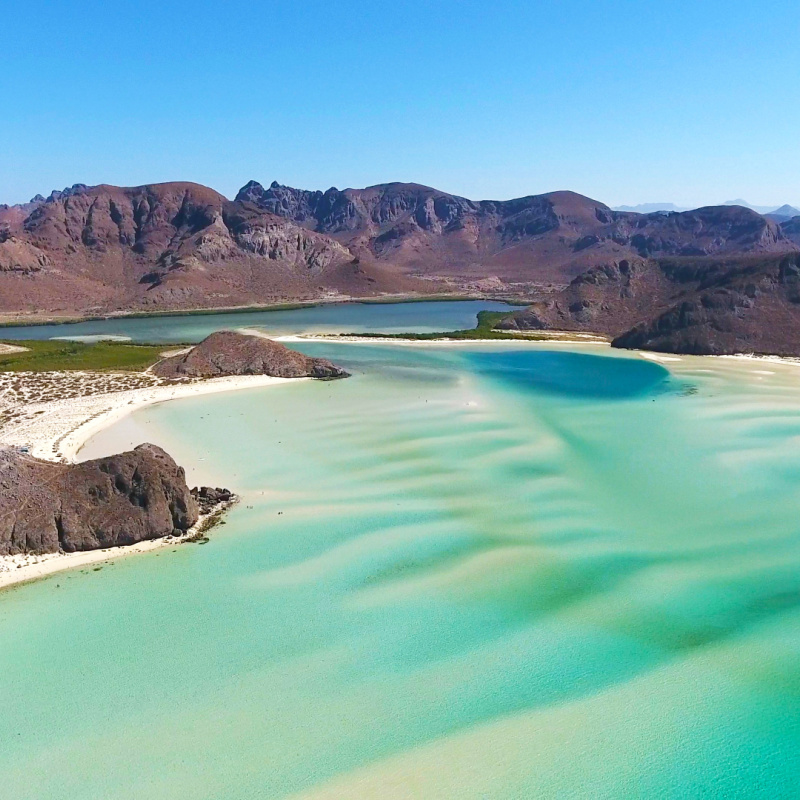
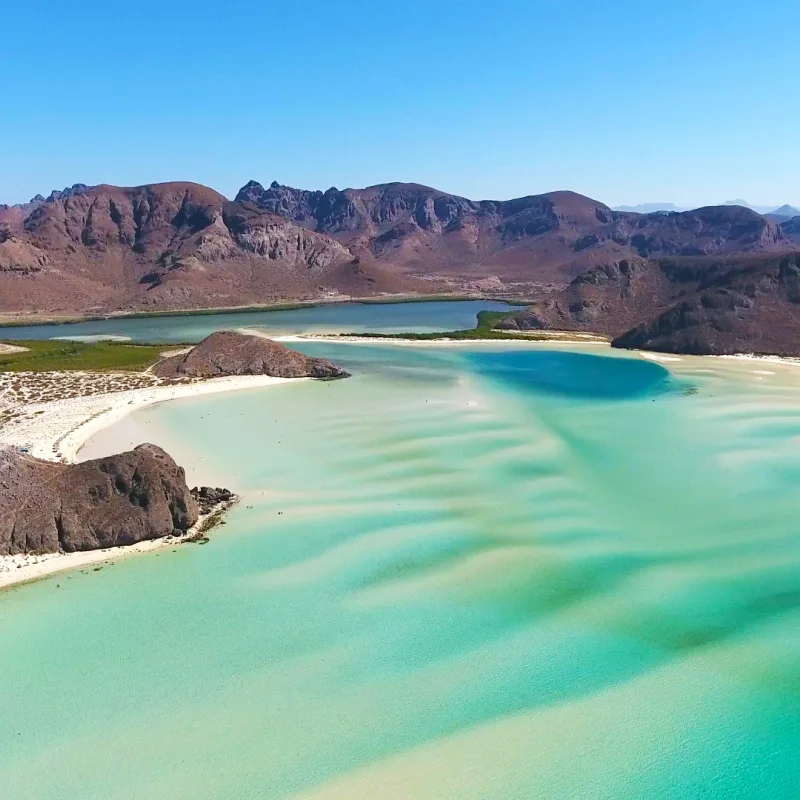
The primary target for this mass migration is Playa Balandra, a spectacular, horseshoe-shaped bay renowned for its crystal-clear, shallow turquoise waters and striking desert backdrop. Widely considered one of the most beautiful beaches in the world, Balandra has become the ultimate bucket-list destination for international travelers visiting the region. Recent tourism data has revealed a staggering statistic about the beach’s daily foot traffic: the vast majority of its visitors are not actually staying nearby.
Between 55% and 60% of all daily visitors stepping onto the pristine white sand of Balandra Beach are day-trippers making the two-hour drive from Los Cabos.
The Southern Peninsula Tourist Circuit
To understand this massive influx, one must look at how the region’s tourism infrastructure has evolved. According to Agustín Olachea Nogueda, the president of the Association of Hotel and Tourism Companies of La Paz (Emprhotur), the two municipalities now operate as an integrated, symbiotic tourist circuit.
While Los Cabos serves as the primary international gateway—handling the vast majority of commercial flights and housing the largest concentration of luxury accommodations—the capital city to the north provides the raw, tranquil, eco-tourism experiences that modern travelers increasingly crave. Tour operators in the south have capitalized on this dynamic, aggressively packaging full-day excursions that carry visitors from their oceanfront suites directly to the calm, protected waters of the northern bays.
Travelers who have seen viral photographs of the beach’s iconic mushroom-shaped rock formation, the Hongo de Balandra, are highly motivated to experience the site in person. Many visitors depart their resorts before dawn, navigating the scenic coastal highway just to secure a spot on the sand.
The Environmental Rescue and Strict Capacity Limits
If you are planning to join the caravan of travelers heading north, understanding the operational logistics of Balandra Beach is absolutely critical. You cannot simply arrive at the bay at any hour of the day and expect to walk onto the sand.
Prior to the global pandemic, the beach was suffering under the weight of its own immense popularity. During peak holiday weekends, the fragile ecosystem was overwhelmed by an influx of 3,000 to 4,000 daily visitors. The environmental impact was devastating. The area was plagued by severe trash accumulation, uncontrolled bonfires, unleashed pets, and the constant noise of high-volume speakers. It was rapidly deteriorating, threatening the very natural beauty that made it famous.
In response, local authorities and environmental advisory boards implemented draconian but highly necessary capacity limits. Today, the beach is capped at an absolute maximum of 900 daily visitors, strictly divided into two distinct operational shifts.
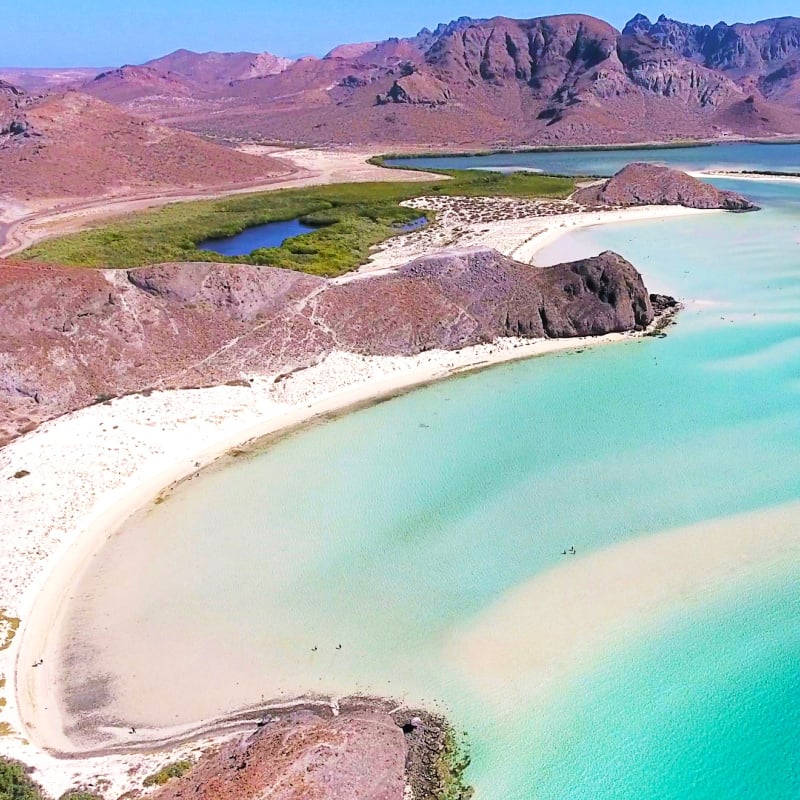
The first group of 450 people is granted access from 8:00 AM until 1:00 PM. At that point, the beach is entirely cleared by park rangers to allow the second group of 450 people to enter for the afternoon shift, which concludes promptly at 6:00 PM.
These stringent regulations have orchestrated a miraculous environmental recovery. By banning pets, prohibiting bonfires, enforcing a zero-tolerance policy on loud music, and severely limiting human traffic, authorities have restored the bay to its original, pristine condition. Olachea Nogueda noted that the implementation of these controls has drastically elevated the quality of the tourist experience, ensuring the site finally commands the respect appropriate for one of the top ten beaches in the world.
Navigating the Trip Like a Local
Because the capacity limits are so strictly enforced, the demand to enter the beach consistently outweighs the available space. During the high winter season, it is incredibly common for the daily entry quotas to be completely exhausted hours before the gates even open, leaving hundreds of unprepared travelers turned away at the highway checkpoint.
Interestingly, while international tourists from Los Cabos line up before dawn to guarantee entry, the local residents of the capital city have largely shifted their weekend routines. Many locals now prefer to visit the neighboring, unrestricted beaches along the same coastline to avoid the long queues and rigid schedules, reserving their trips to the famous bay exclusively for when they are hosting visiting family members or out-of-town friends.
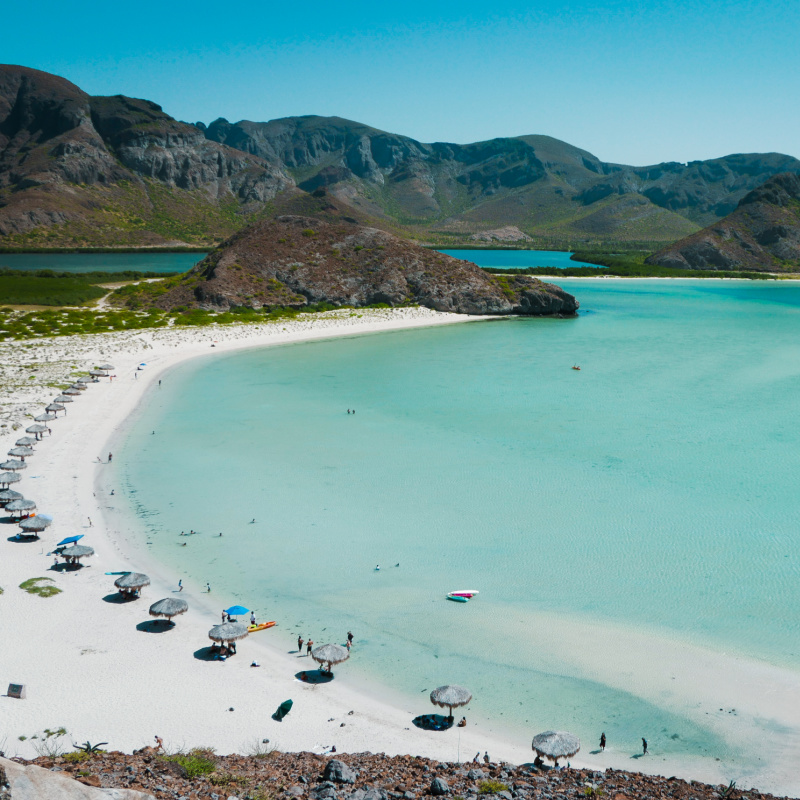
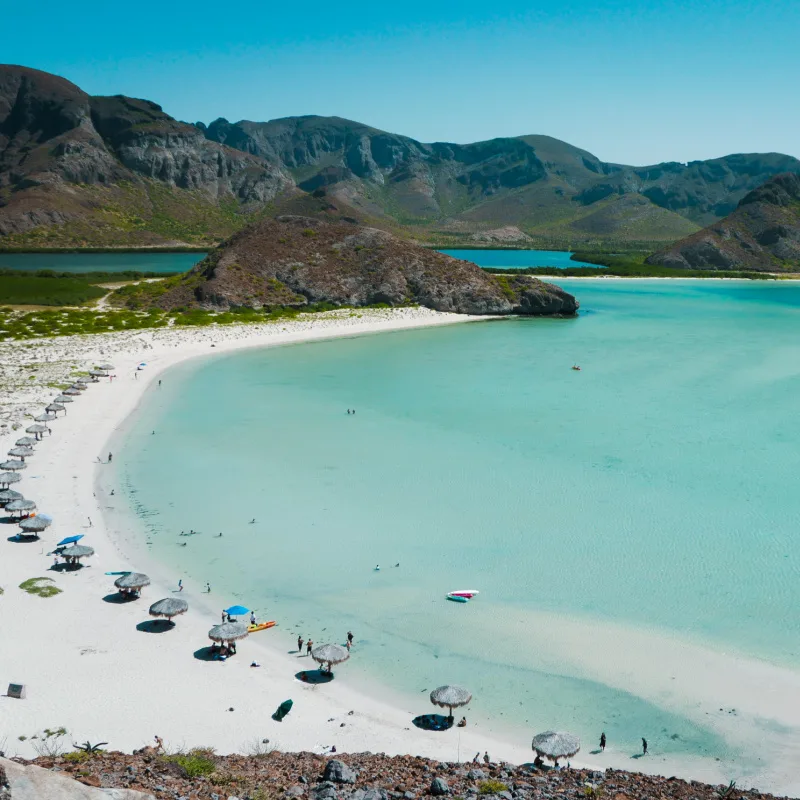
If you intend to make the journey from the southern resorts, preparation is paramount. Rent a reliable vehicle, plan to leave Los Cabos no later than 5:00 AM, and arrive at the entry gates well before the 8:00 AM opening time. Bring your own shade, pack sufficient hydration, and remember that there are no trash cans on the beach—everything you carry onto the sand must be carried back out.
By respecting the regulations and planning ahead, day-trippers can experience the unmatched tranquility of Mexico’s most famous beach, preserving its delicate ecosystem for generations of travelers to come.
Join Our Cabo Sun Community of 20,000+ Members
Get real-time answers to your travel questions from our team of local experts and thousands of fellow travelers directly inside our interactive group.
Find Your Perfect Los Cabos Resort In Seconds
This simple, powerful tool was built by our on-the-ground experts to match you with the ideal resort for your specific budget and travel style.
The Ultimate Cabo Trip Planner
When’s the best time to go? Our powerful month-by-month guide breaks down the weather, crowds, hotel rates, and whale watching seasons for your perfect trip.
Enter your email address to subscribe to The Cabo Sun’s latest breaking news affecting travelers, straight to your inbox.