
Every winter, thousands of travelers staying at all-inclusive resorts in Los Cabos wake up early and make the scenic 2-hour drive north for Baja’s #1 bucket-list wildlife encounter: snorkeling right alongside wild, school-bus-sized whale sharks in the calm waters of La Paz. After sitting shut for nearly 7 extra weeks past its traditional October 1 calendar start due to unusually warm ocean temperatures, the 2026-2027 whale shark season is officially open.
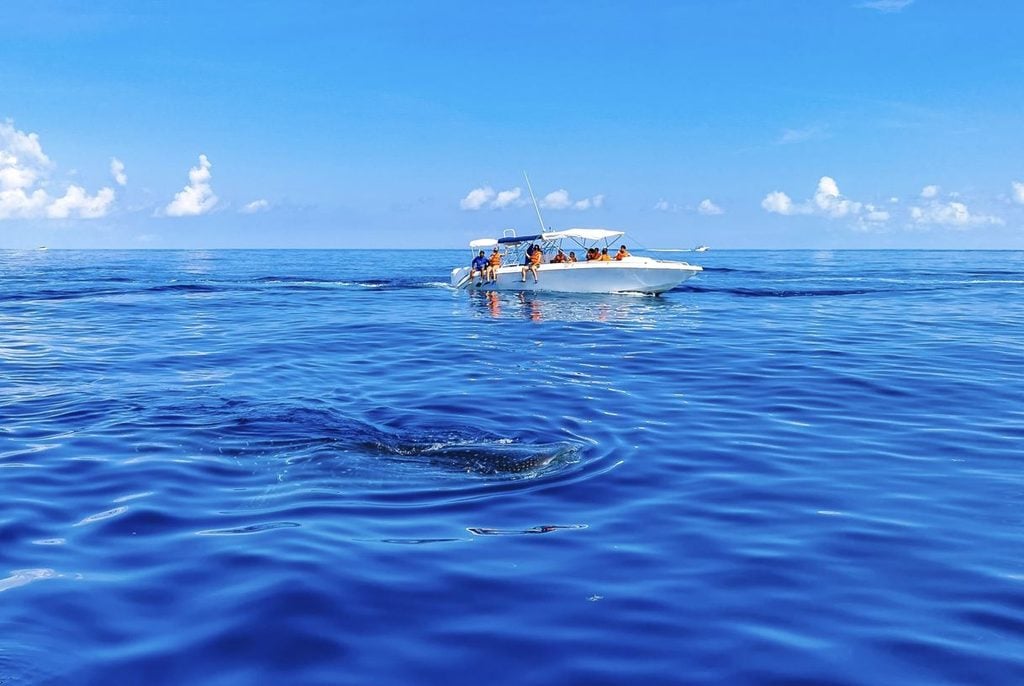
Before you wait until the last minute of your vacation in Mexico to grab seats on a boat, know that getting into the water this winter is much tighter than in past years. Federal authorities slashed operator permits for the season and rolled out strict daily caps on boats and swimmers, meaning peak holiday tours will sell out days or even weeks ahead. Here is everything day-trippers heading up from Cabo San Lucas and San Jose del Cabo need to know before booking.
1. Why Tours Sat On Hold For Nearly 7 Extra Weeks
On paper, Baja California Sur’s whale shark calendar runs from October 1 through April 30. In reality, tour boats are barred from entering the refuge until marine biologists with Mexico’s National Commission of Natural Protected Areas (CONANP) count at least 6 individual whale sharks feeding inside the protected zone.
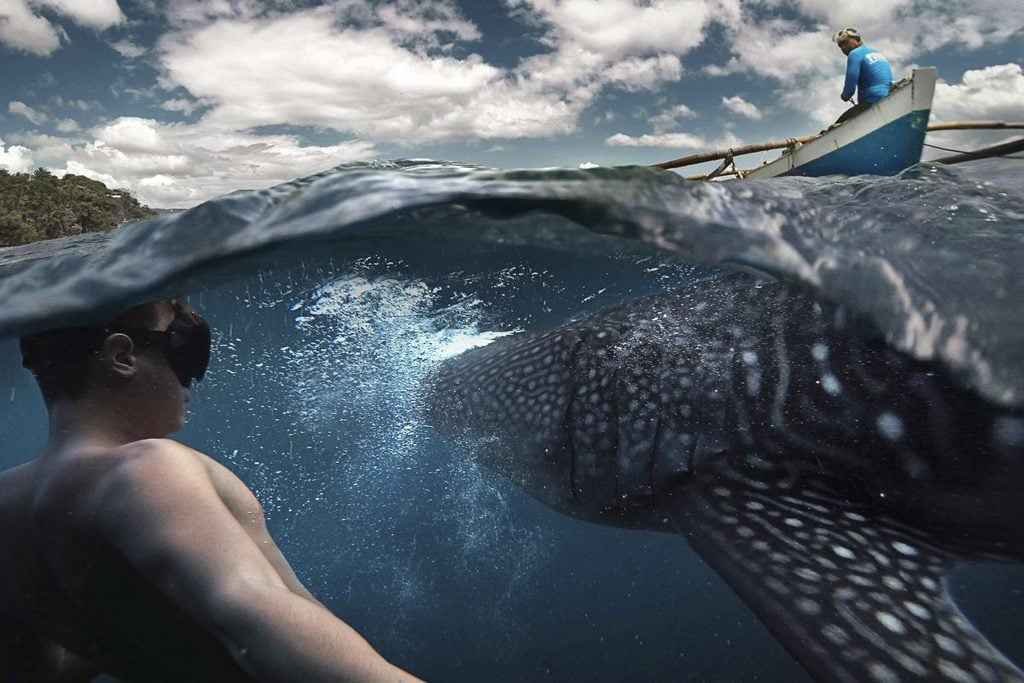
Lingering warm water across the Sea of Cortez kept plankton blooms and migrating juvenile whale sharks further offshore through October and the first half of November, leaving over 100 local tour operators waiting at the dock. Following back-to-back biological surveys on November 16, 17, and 18 that confirmed healthy shark numbers inside the bay, authorities officially greenlit the 2026-2027 swimming season on November 19.
2. Fewer Permits & A Hard 5-Swimmer Limit In The Water
Even with healthy shark numbers back in the bay, federal officials under SEMARNAT’s updated 2026-2029 management plan significantly tightened capacity to keep these gentle filter-feeders from getting crowded. Total seasonal operator permits were cut from 148 down to 112 for this winter, reducing overall daily seat supply by nearly 25%.


Inside the refuge itself, authorities enforce strict tourist and boat caps all day long:
- Limited Daily Boat Shifts: For the opening phase, officials authorized just 11 boats per timed shift (with a hard legal ceiling of 14 boats per shift and 56 boats total per day even during peak mid-winter shark counts). Each licensed boat gets 1 single entry per day with 0 re-entry allowed.
- The 5-Tourist Swimmer Cap: Only 5 swimmers plus 1 certified guide are permitted in the water with a whale shark at the exact same time, taking turns cleanly so the animal never feels boxed in.
- Live GPS Tracking: Every authorized boat carries mandatory GPS tracking and communicates by radio with CONANP marine inspectors, maintaining a strict 7-knot (12.9 km/h) speed limit in transit lanes and waiting outside if observation Zone I hits capacity.


3. Why Walk-Up Day Trippers From Cabo Will Get Shut Out
In years past, adventurous travelers renting a car in Cabo could drive straight up Highway 19 through Todos Santos, stroll along the La Paz waterfront (Malecon) at 9:00 AM, and haggle for an open spot on a panga boat leaving an hour later. Trying that move during the 2026-2027 winter rush is an easy way to spend 4 hours in a rental car only to watch boats leave from the pier.
Because licensed captains have to reserve timed entry windows in advance and cannot re-enter the refuge for a 2nd run that day, morning and midday boat slots fill up fast with pre-booked groups. Lock in your tour with a CONANP-certified operator (look for boats flying the official numbered season pennant) at least 5 to 10 days ahead, or 2 weeks early if you are visiting over Christmas and New Year’s. Standalone boat tours departing from the Fiscal Pier in La Paz typically start around 1,300 to 2,400 pesos ($70 to $130 USD) per person, while full-day round-trip excursions with hotel pickup from Cabo San Lucas or San Jose del Cabo generally run $180 to $260 USD and often bundle a lunch stop near Balandra Bay or sea lion snorkeling at San Rafaelito.
4. Wetsuits, Distance Rules & What To Expect In The Water
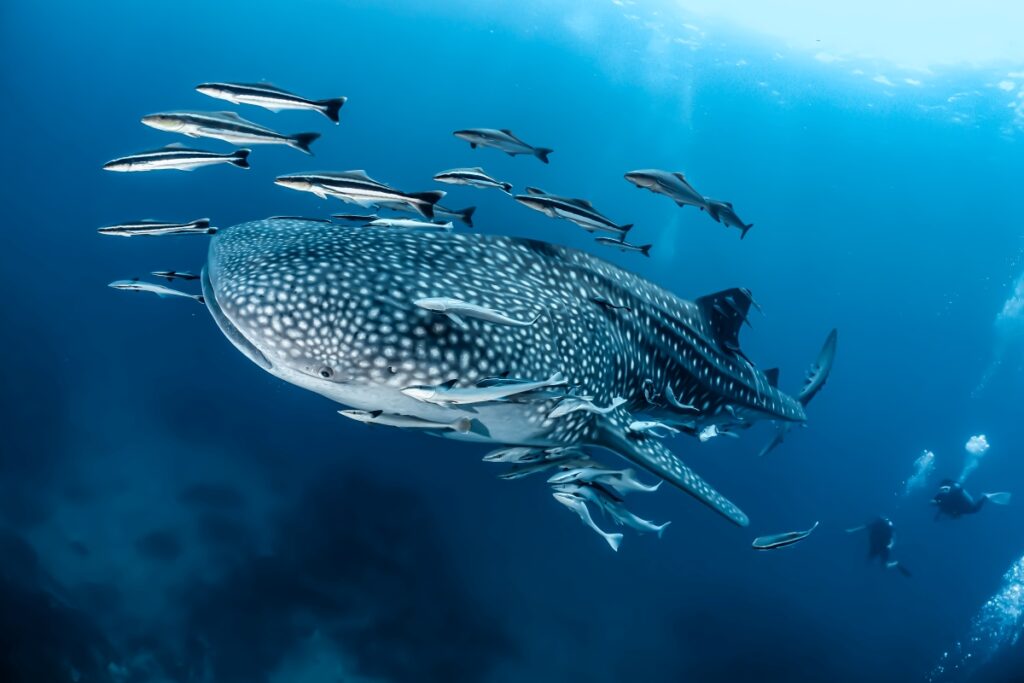
Swimming alongside a 25-foot spotted whale shark in just 6 to 20 feet of water is unforgettable, provided you prep for real winter Sea of Cortez conditions before jumping off the boat:
- Ask For A Wetsuit Starting In December: While November water starts out mild around 78°F to 82°F, Sea of Cortez temperatures dip closer to 68°F (20°C) between December and March when shark numbers peak. Make sure your tour operator includes a 3mm to 5mm wetsuit in your booking price so you stay warm between turns.
- Expect Plankton-Rich Visibility: Whale sharks gather along the El Mogote sandbar specifically to filter thick patches of microscopic plankton. Visibility typically ranges from 10 to 25 feet rather than crystal-clear pool water, which makes watching a massive spotted shadow glide effortlessly right beside you even cooler.
- Strict No-Touch & Surface Rules: Swimmers must enter the water quietly without splashing, stay on the surface (freediving underneath the shark and scuba tanks are banned), and keep at least 2 to 3 meters (7 to 10 feet) away from the head and body and 3 to 4 meters (10 to 13 feet) clear of the tail. Touching a whale shark or wearing non-reef-safe chemical sunscreen will get your group pulled from the water immediately.
Planning your winter itinerary down in Baja? Check live Cabo safety scores, official Cabo entry requirements, updated Cabo customs rules, and verified Cabo tourist fees in seconds on the Traveler Dashboard before your flight.
2026-27 Whale Shark Day-Trip Guide
Join Our Cabo Sun Community of 20,000+ Members
Get real-time answers to your travel questions from our team of local experts and thousands of fellow travelers directly inside our interactive group.
Find Your Perfect Los Cabos Resort In Seconds
This simple, powerful tool was built by our on-the-ground experts to match you with the ideal resort for your specific budget and travel style.
The Ultimate Cabo Trip Planner
When’s the best time to go? Our powerful month-by-month guide breaks down the weather, crowds, hotel rates, and whale watching seasons for your perfect trip.
Enter your email address to subscribe to The Cabo Sun’s latest breaking news affecting travelers, straight to your inbox.