
One of the most popular winter day trips for tourists staying in Los Cabos is the two-hour drive north to La Paz to swim with wild whale sharks. While the official 2026–2027 season was scheduled to open on the calendar on October 1, eager travelers are currently facing a frustrating waiting game.
Due to unseasonably warm ocean waters driven by the El Niño weather phenomenon, the massive filter-feeding sharks have not yet arrived in sufficient numbers. As a result, federal authorities have officially placed all whale shark snorkeling tours in the Bay of La Paz on an indefinite hold.
Here is exactly why the tours are delayed, the strict new conservation rules keeping boats at the dock, and what you need to know if you are hoping to book an excursion this month.

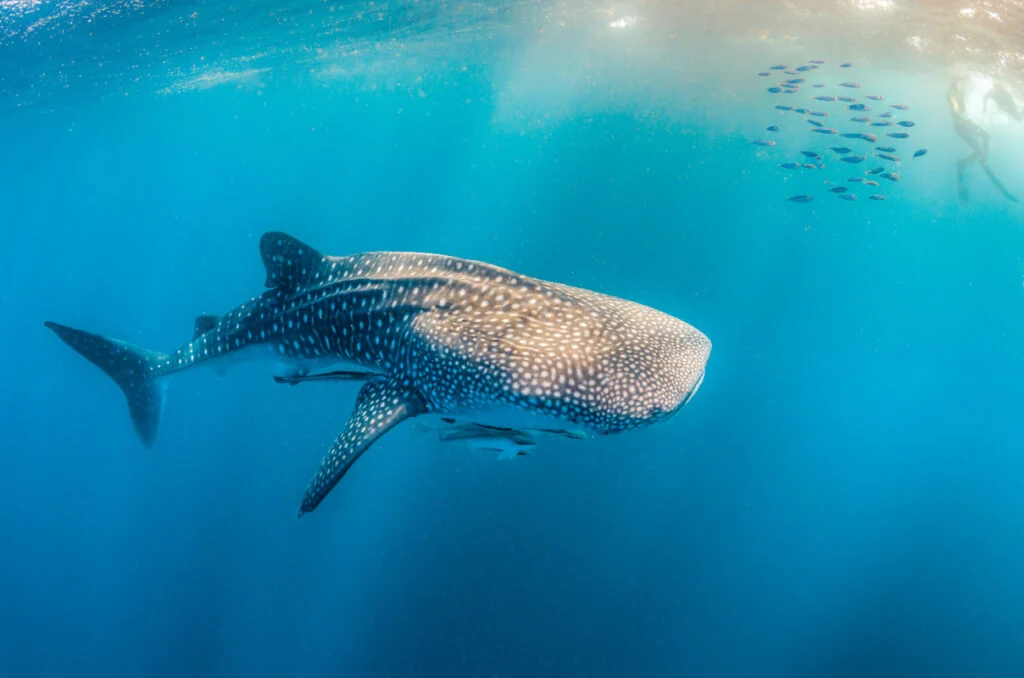
The “Six Shark” Minimum Rule
The delay is not a bureaucratic oversight; it is a strict environmental safeguard. Under the newly implemented 2026–2029 SEMARNAT wildlife management plan, the calendar date does not dictate when tours begin—the sharks do.
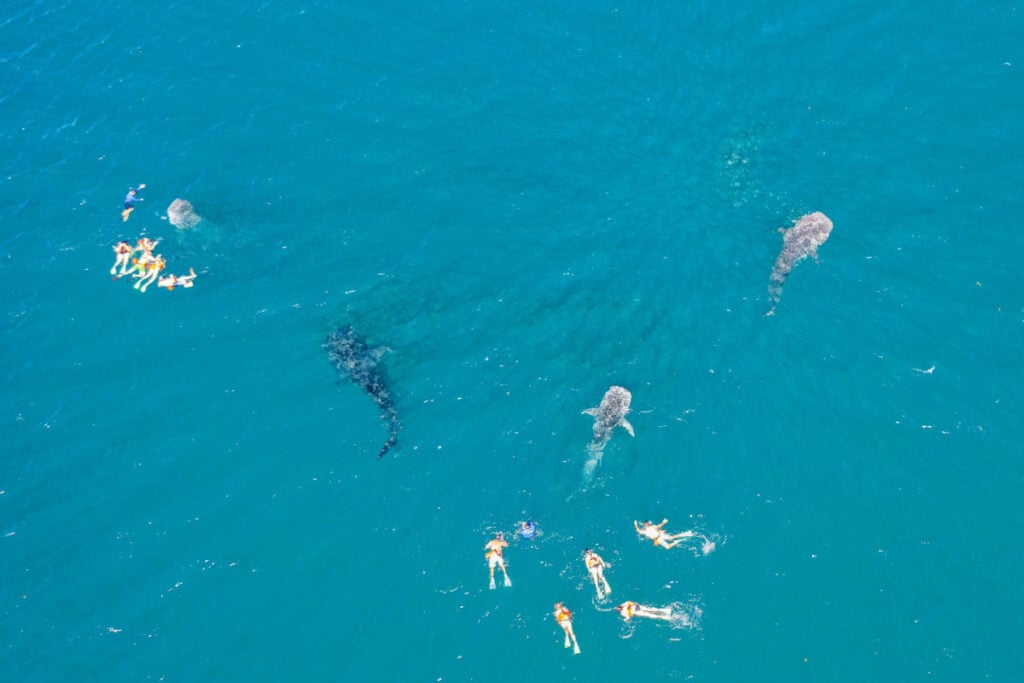
Before a single tourist boat can leave the marina, the National Commission of Natural Protected Areas (CONANP) must conduct a visual census and confirm the presence of at least six whale sharks inside the designated Refuge Area (Zone I). If the official count is five sharks or fewer, swimming is strictly prohibited to prevent the few animals present from being overwhelmed by tourist boats.
Currently, CONANP’s monitoring has failed to reach that six-shark minimum. Héctor Ulises Aguilar, a member of the Board of Directors of the Representative Committee of Whale Shark AC, confirmed that until the authorities spot a minimum of six specimens, the tour operators cannot legally begin operations.
Blame El Niño For The Warm Water
So, where are the sharks? The answer lies in the temperature of the Sea of Cortez.
Whale sharks migrate into the Bay of La Paz to feed on dense blooms of plankton. These nutrient-rich blooms require cooler surface temperatures to thrive. Currently, the lingering effects of the El Niño climate pattern are keeping the water unseasonably warm. The National Meteorological Service (SMN) recently reported an 83% probability that these El Niño conditions will persist through the first quarter of 2027.
Until the ocean temperatures drop and the plankton blooms arrive, the whale sharks will likely stay further out in the cooler Pacific waters. Fortunately, this delay is not unprecedented. Last year, the exact same warm-water conditions pushed the start of the swimming season all the way back to November 15.
A Multimillion-Dollar Waiting Game
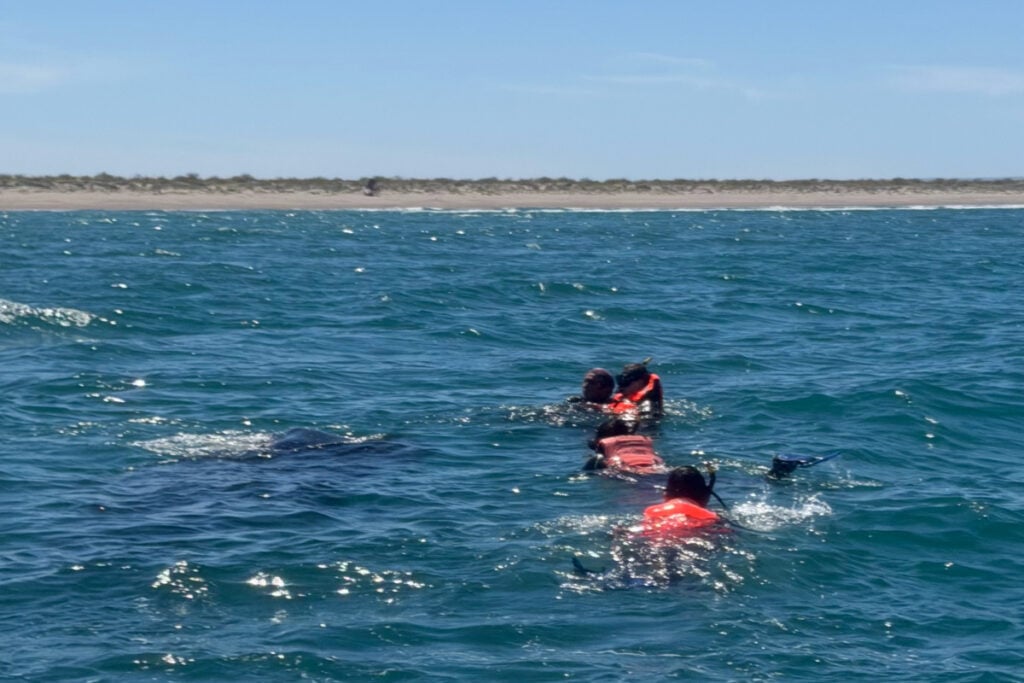
This delay is a massive blow to the local economy in La Paz. According to the Secretariat of Environment and Natural Resources (Semarnat), the winter whale shark season generates an economic impact of up to 82 million pesos (roughly $4 million USD) and supports over 100 authorized tourism service providers.
With La Paz welcoming around one million visitors annually—and an estimated 40% of those tourists arriving specifically for eco-tourism activities—the whale shark is considered the “crown jewel” of the region’s attractions. Once the season finally gets the green light, standard tours typically cost around 1,300 pesos (about $65 USD) per person for a two-hour excursion on the water.


What Tourists Should Do Right Now
If you are currently vacationing in Los Cabos and hoping to make the drive up to La Paz, you need to remain flexible.
Do not hand over cash to any unauthorized street vendors promising a “private” whale shark tour right now. The bay is strictly patrolled, and any boat caught operating in the sanctuary before the official CONANP green light faces severe federal sanctions.
Instead, contact established, authorized tour operators. Many reputable companies are taking tentative reservations for late November. Ensure you ask about their cancellation policy; the best operators will offer a 100% refund or a free reschedule if the federal government continues to pause the swimming season on your booked date.
Tours on Hold
Although the winter season officially scheduled an October 1 opening, federal authorities have paused all snorkeling excursions in La Paz.
The Six-Shark Minimum
CONANP must visually confirm at least six whale sharks in Zone I before boats can legally enter the water to protect the animals.
El Niño Warm Waters
Lingering El Niño conditions keep surface temperatures warm, delaying the cool-water plankton blooms that draw sharks into the bay.
A 4 Million Dollar Pause
The delay hits over 100 authorized operators hard, halting an 82 million peso winter industry until conditions finally normalize.
Stay Flexible & Refundable
Avoid street hustlers, book with reputable operators offering flexible cancellation policies, and wait for official green lights.
Join Our Cabo Sun Community of 20,000+ Members
Get real-time answers to your travel questions from our team of local experts and thousands of fellow travelers directly inside our interactive group.
Find Your Perfect Los Cabos Resort In Seconds
This simple, powerful tool was built by our on-the-ground experts to match you with the ideal resort for your specific budget and travel style.
The Ultimate Cabo Trip Planner
When’s the best time to go? Our powerful month-by-month guide breaks down the weather, crowds, hotel rates, and whale watching seasons for your perfect trip.
Enter your email address to subscribe to The Cabo Sun’s latest breaking news affecting travelers, straight to your inbox.