
Never say never. Visitors and residents have been absolutely shocked to see what looks exactly like sargassum washing up on the pristine beaches of Los Cabos. The truth is, it is not sargassum, and you do not need to panic. It is not here to stay. Here is what travelers need to know about the over 150 tons of dead plants currently washing up on Los Cabos beaches.
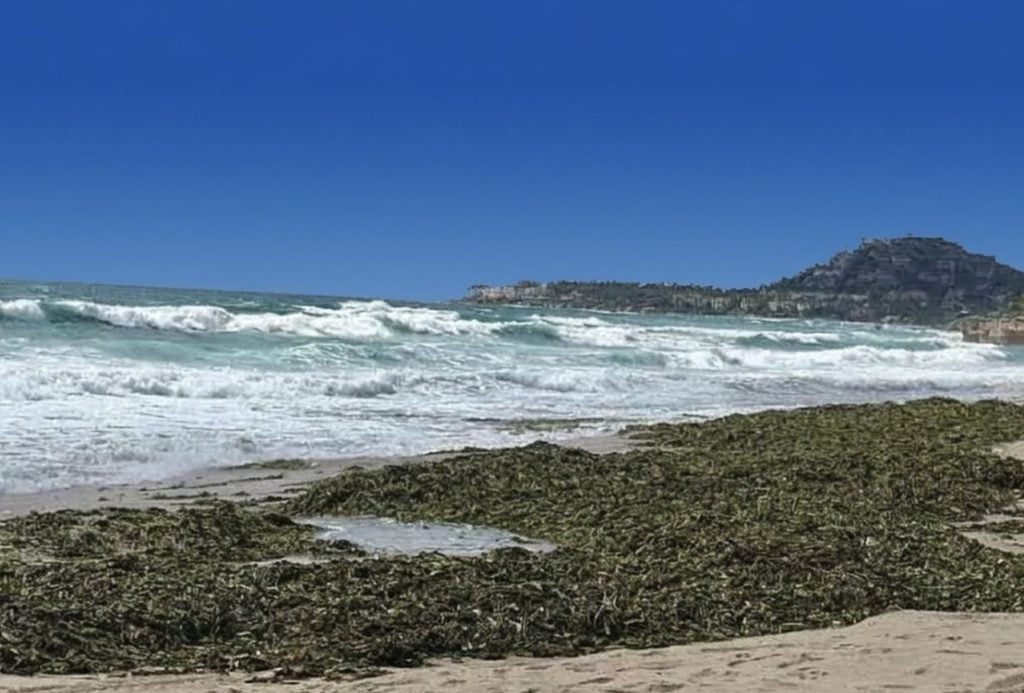
If you are planning a trip to the Baja Peninsula this winter, you might have seen some very concerning photos popping up on social media. Images of brown, tangled mounds of vegetation completely taking over the usually flawless sand are making the rounds. For any traveler who has ever dealt with the massive seaweed blooms over on the Caribbean side of Mexico, these photos trigger instant anxiety.
But you can breathe a massive sigh of relief. Los Cabos is still completely free of sargassum. The massive piles of debris currently sitting on the shoreline are actually something entirely different, and the cleanup is already well underway.

The Sargassum Panic Explained
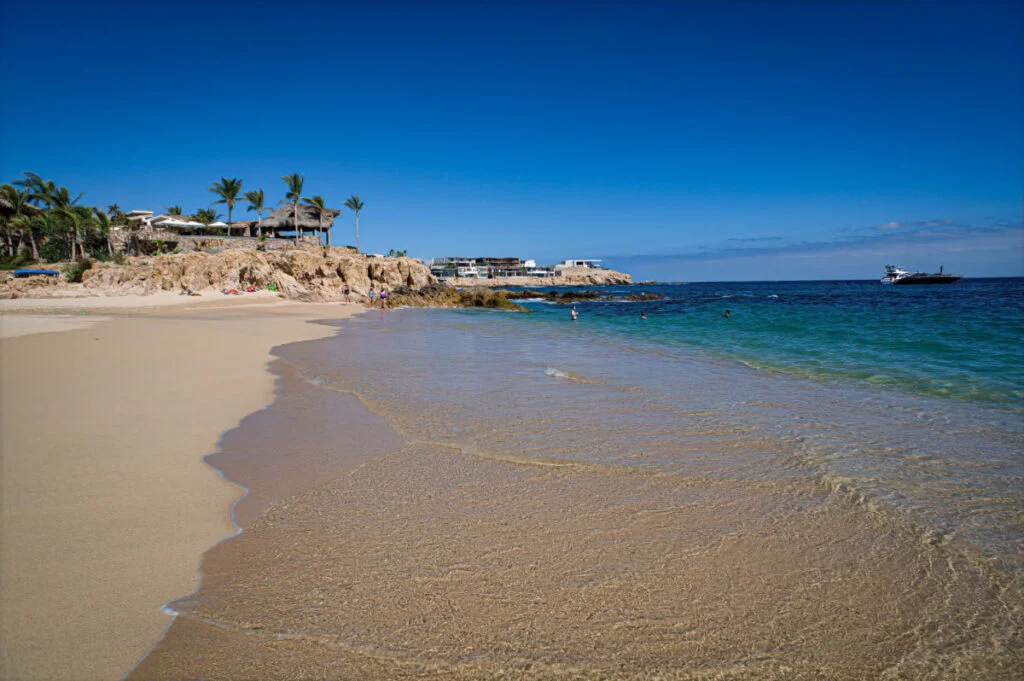
When travelers book a vacation to Mexico, avoiding sargassum is usually at the very top of their priority list. The foul smelling seaweed has been a major issue for places like Cancun and Tulum for years. One of the biggest selling points for Los Cabos is that it sits on the Pacific Ocean, which is naturally immune to those specific seaweed blooms.
So when massive amounts of brown, stringy plants suddenly appeared on the sand in Cabo this week, people naturally freaked out. It looks identical to the dreaded Caribbean seaweed. It forms thick, tangled mats in the surf and piles up heavily right where the waves crash against the shore.
However, local environmental experts quickly stepped in to clear the air. What tourists are seeing is not a marine algae at all. It is actually a massive pile of dead freshwater plants.
The Real Culprit Behind The Mess
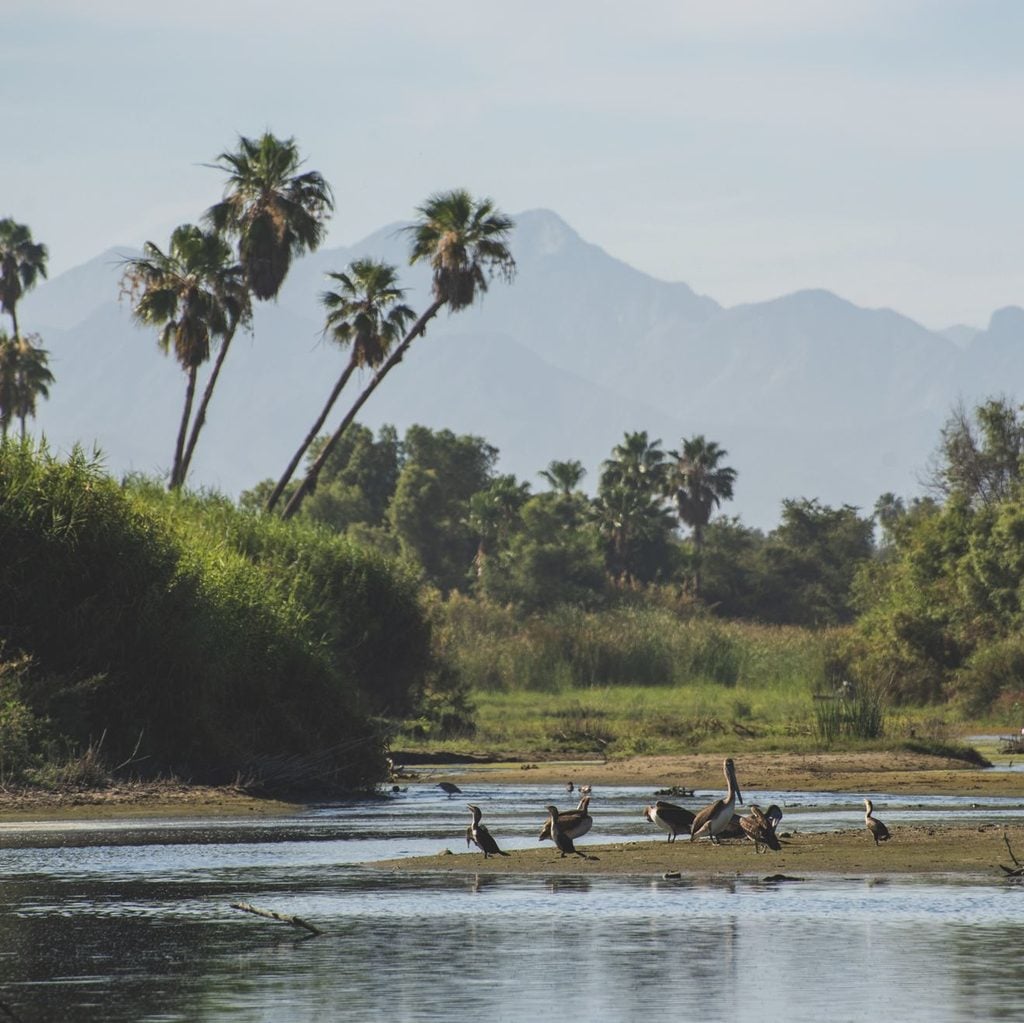
The vegetation washing ashore is a plant called water hyacinth, which is known locally as lirio acuático. It is a strictly freshwater plant that usually thrives in calm, contained environments. You will typically find it floating happily in ponds, lakes, and slow moving rivers.
In Los Cabos, these plants grow in massive numbers inside the San José del Cabo Estuary. This beautiful, protected wetland reserve sits right next to the ocean. Under normal conditions, the estuary is separated from the salty ocean water by a large natural sandbar.
The plants stay safely inside their freshwater home, and the beaches remain perfectly clean. But when the weather takes a dramatic turn, that delicate natural balance gets completely disrupted.
The Great Estuary Flush
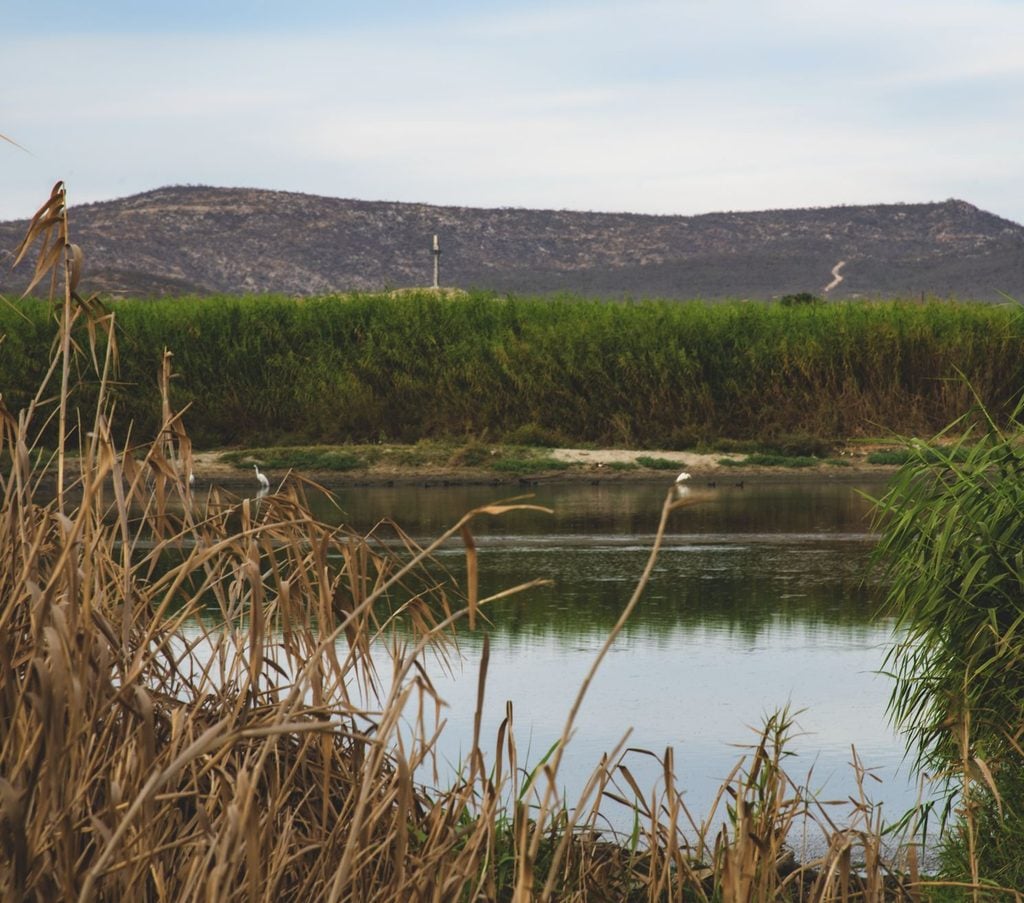
Over the last few weeks, Los Cabos experienced some very heavy rains and passing tropical storms. All of that intense rainfall caused the water levels inside the estuary to rise dramatically. Eventually, the pressure became too much, and the natural sandbar separating the estuary from the ocean finally breached.
Locals refer to this area as La Bocana. When it breaks open, millions of gallons of trapped freshwater rapidly flush straight out into the sea. Along with all that rushing water comes hundreds of tons of invasive water hyacinths that were floating in the estuary.
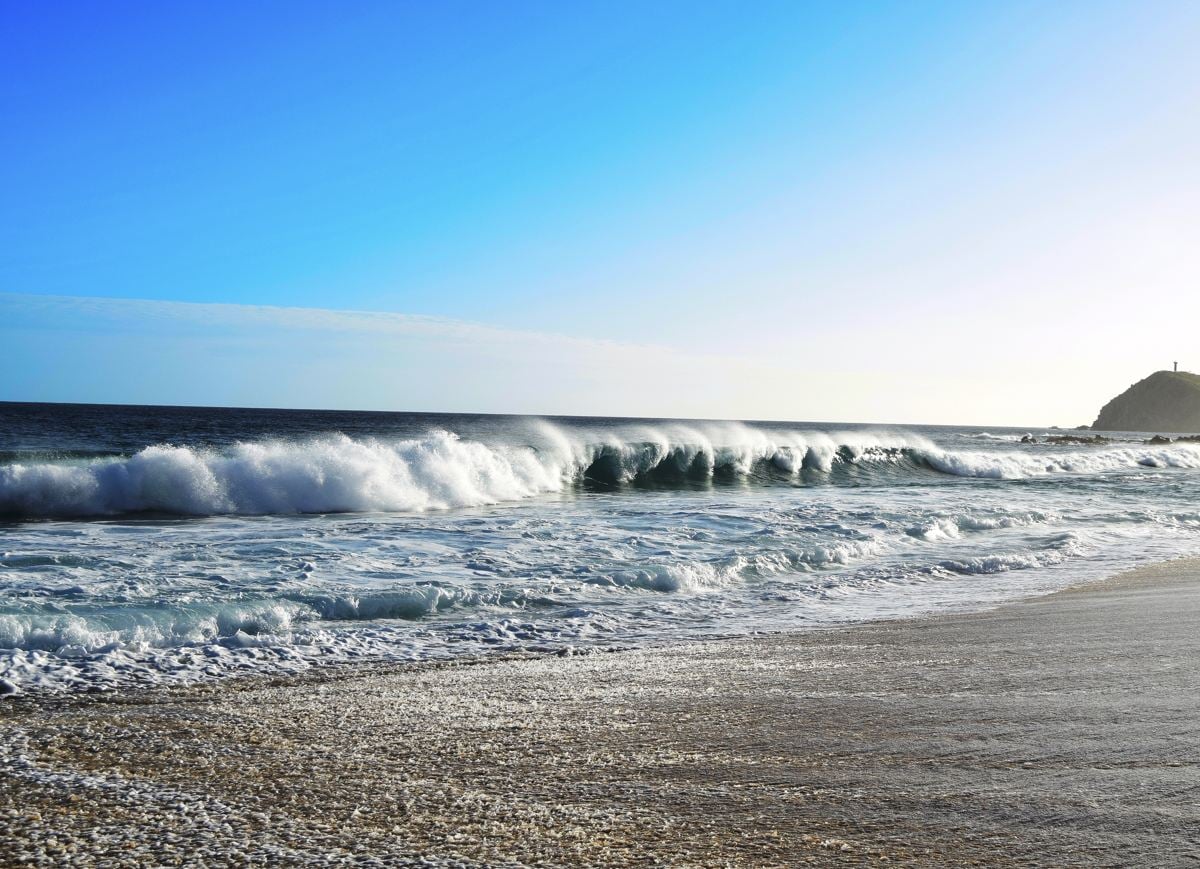
Because water hyacinths are strictly freshwater plants, they cannot survive in the ocean. The absolute second they hit the saltwater, they die rapidly. The strong ocean waves then churn up the dying plants, turning them brown and tangled, before dumping them aggressively onto the local hotel zone beaches.
Rapid Cleanup Operations Are Underway
The sheer volume of the debris is definitely shocking. Environmental teams estimate that over 150 tons of this dead plant material have washed up along the beaches. It is a massive mess, but it is completely temporary.
Unlike sargassum, which constantly reproduces and washes ashore for months on end, this is an isolated event. Once the estuary finishes flushing out, the source of the plants is completely gone. There is no endless supply waiting out in the deep ocean.
Municipal cleaning crews, known locally as Zofemat, are already working around the clock to remove the debris. They deploy heavy machinery and large teams of workers to rake the beaches and haul the dead plants away. Because this material does not rot and smell nearly as bad as true marine seaweed, the cleanup process is much more straightforward.
Cabo Beach Update
Your Winter Vacation Is Safe
If you have an upcoming flight to Los Cabos, there is absolutely zero reason to change your plans. The beach crews usually have the shoreline looking completely pristine again within just a few days of a major estuary flush. The sand will be raked clean, and the water will return to its signature sparkling blue.
This bizarre event is just a fascinating reminder of how dynamic the local ecosystem can be after a heavy storm. You can still look forward to enjoying those perfect Baja sunsets, incredible fish tacos, and totally sargassum free beaches.
The Ultimate Cabo Trip Planner
When’s the best time to go? Our powerful month-by-month guide breaks down the weather, crowds, hotel rates, and whale watching seasons for your perfect trip.
Find Your Perfect Los Cabos Resort In Seconds
This simple, powerful tool was built by our on-the-ground experts to match you with the ideal resort for your specific budget and travel style.
Subscribe to our Latest Posts
Enter your email address to subscribe to The Cabo Sun’s latest breaking news affecting travelers, straight to your inbox.