
When you finally decide to book that vacation to Los Cabos, you probably spend hours agonizing over the price of the flights. You watch the numbers fluctuate on Google Flights, waiting for the perfect moment to lock in the lowest possible fare.
But when you finally click “buy,” you probably never bother to click the tiny drop-down menu detailing the taxes and government fees attached to your ticket.
If you did, you would notice a mandatory charge called the Derecho de No Residente (DNR). This is Mexico’s official tourist entry fee, and every single international visitor pays it.
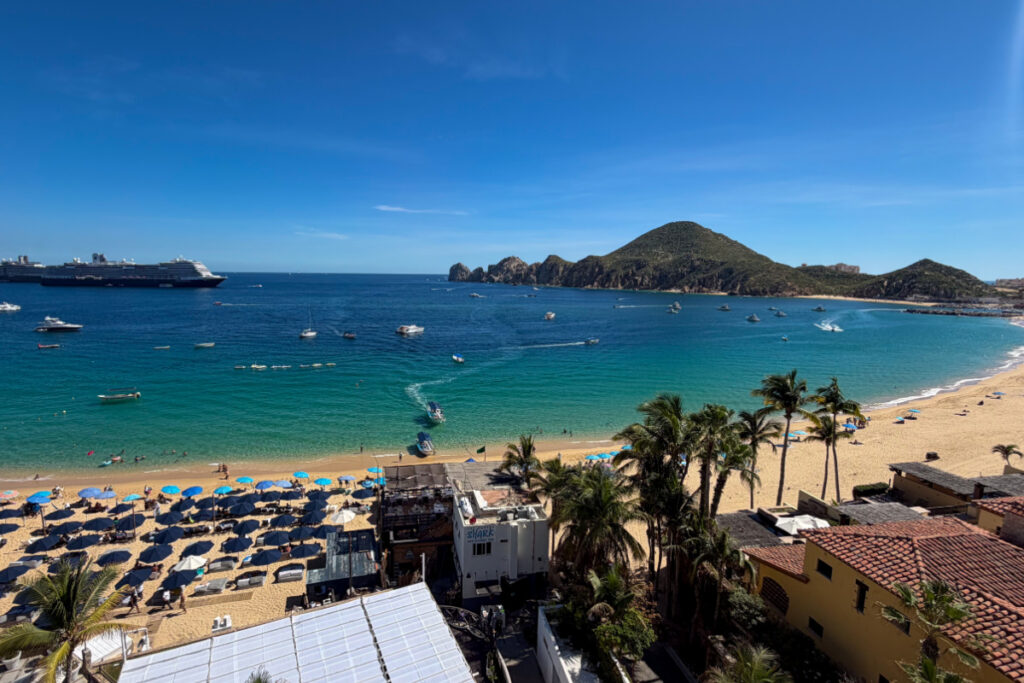

Right now, this fee is at the absolute center of a massive, heated debate between local Los Cabos tourism officials and the Mexican federal government—and the outcome could make your next beach vacation significantly more expensive.
Lawmakers are currently preparing to vote on a proposal that would aggressively hike this entry fee by 35%. Here is exactly how much this will cost you, why Cabo officials are actively fighting the increase, and the reason most travelers will probably never even notice they are paying it.
Breaking Down the 35% Hike
Currently, the mandatory tourist entry fee sits at 988 pesos. If the federal government pushes this new proposal through the upcoming 2027 budget vote, that fee will skyrocket to 1,334.80 pesos.
When converted to US dollars, that means every single international traveler will be paying roughly $66 just for the right to step off the plane in Mexico.
While $66 might not sound like a completely deal-breaking number for a solo traveler, the math gets brutal for families. If you are flying down with a family of four, you will be hit with over $250 in mandatory government entry fees before you even buy your first round of tacos or pay for a shuttle to your resort. If passed, the new rate will officially take effect on January 1, 2027.
The Invisible Price Tag
Despite the massive 35% jump, there is a very specific reason why this hike is not causing a massive uproar among American tourists: the fee is completely invisible.
Mexico does not make you line up at a physical toll booth in the airport to pay your $66 in cash. Instead, the federal government mandates that the airlines collect the DNR fee on their behalf. The charge is quietly baked directly into the final advertised price of your airline ticket.
Because airfare to Los Cabos fluctuates wildly based on the season, the day of the week, and carrier algorithms, a $20 or $30 price increase on a flight receipt is essentially imperceptible to the average consumer. Most travelers will just assume their carrier slightly raised the base fare, completely unaware that they are actually paying a newly inflated federal entry tax.
What Are You Actually Paying For?
If the government is going to take an extra 35% from every tourist, the obvious question is: where is that money going?
According to Mexico’s Secretary of Tourism, the massive injection of revenue is going to be funneled directly into the National Migration Institute (INM). The goal is to aggressively modernize the country’s immigration infrastructure.
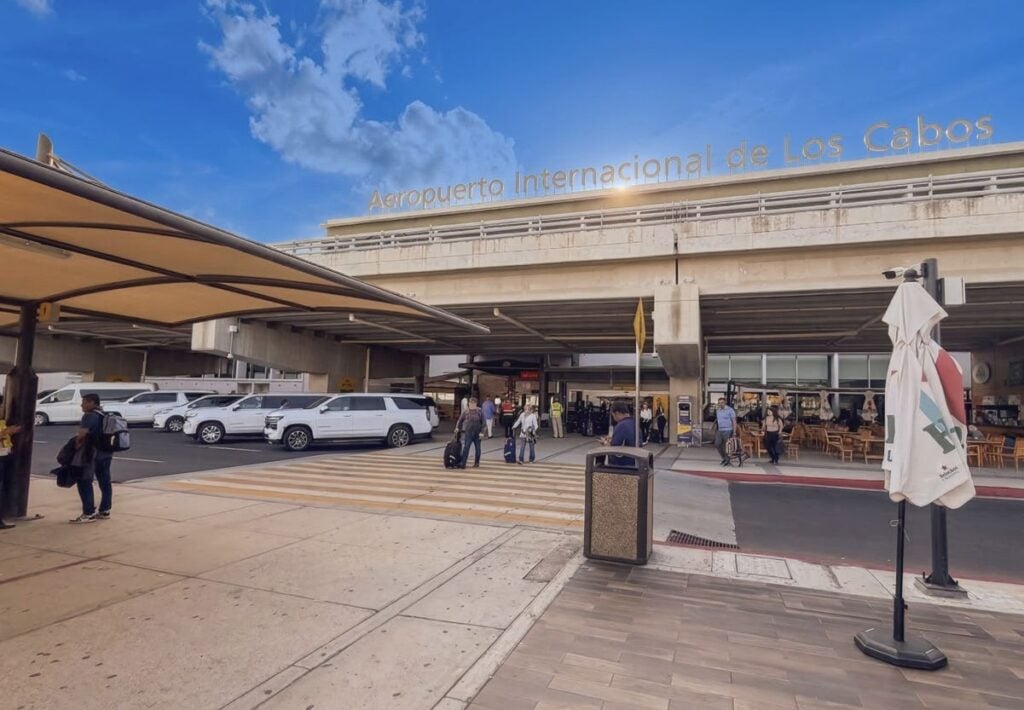
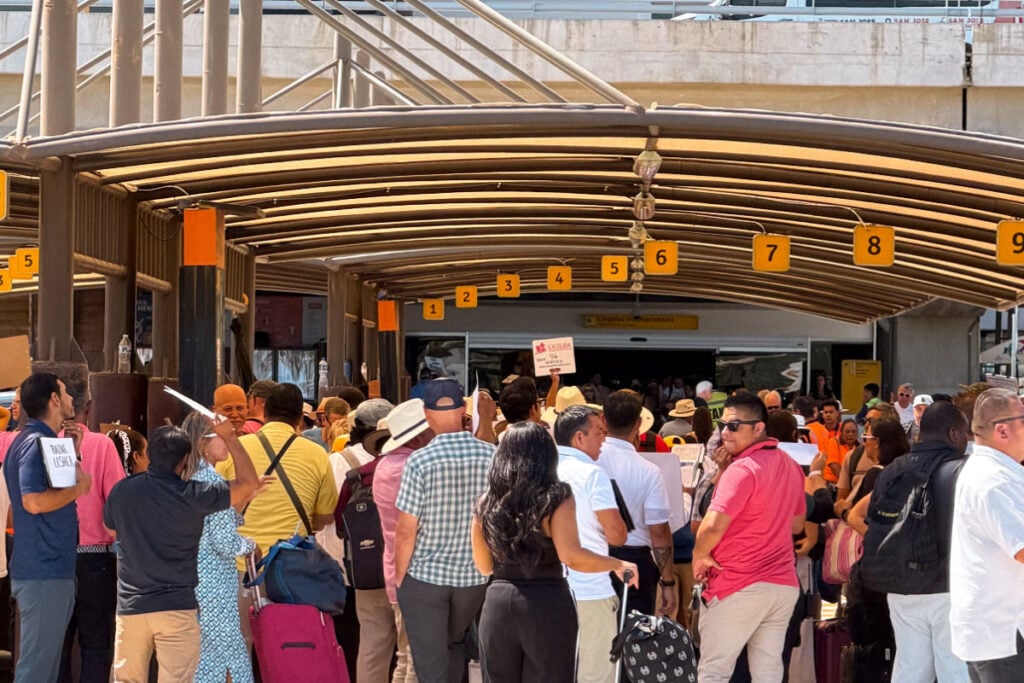
For years, one of the biggest complaints from tourists arriving at the Los Cabos International Airport (SJD) has been the chaotic, hours-long waits at the customs desks. Federal officials argue that this fee hike will finally fund the necessary technology upgrades—like advanced biometrics, better surveillance systems, and hiring significantly more customs personnel—to eliminate those brutal airport bottlenecks.
If paying an extra $20 hidden in an airline ticket means travelers can clear customs in 15 minutes instead of two hours, most frequent visitors would likely consider that a very fair trade.

Why Los Cabos is Pushing Back
If the fee is invisible to consumers and the money is going toward upgrading the airport, why is Los Cabos actively fighting the proposal?
It all comes down to global competitiveness. Local tourism leaders in Baja California Sur rely heavily on US and Canadian visitors who strictly budget their trips months in advance. Even if the fee is hidden in the flight price, a suddenly more expensive plane ticket could easily push a budget-conscious family to pivot their vacation plans.
Cabo officials are incredibly protective of their tourism numbers. They worry that silently raising the barrier to entry will make competing, cheaper destinations in the Caribbean or Central America look much more attractive to the average American family.
For now, the proposal is still awaiting a final budget vote in the Chamber of Deputies. As we inch closer to 2027, it remains to be seen if the local pushback from Los Cabos can stop the hike, or if your next flight south of the border is about to get quietly, permanently more expensive.
Join Our Cabo Sun Community of 20,000+ Members
Get real-time answers to your travel questions from our team of local experts and thousands of fellow travelers directly inside our interactive group.
Find Your Perfect Los Cabos Resort In Seconds
This simple, powerful tool was built by our on-the-ground experts to match you with the ideal resort for your specific budget and travel style.
The Ultimate Cabo Trip Planner
When’s the best time to go? Our powerful month-by-month guide breaks down the weather, crowds, hotel rates, and whale watching seasons for your perfect trip.
Enter your email address to subscribe to The Cabo Sun’s latest breaking news affecting travelers, straight to your inbox.