
If you are packing your bags for a getaway to Los Cabos, you might have seen some recent headlines about a rise in dengue fever across the state. Let’s get the most important thing out of the way right now. There is absolutely no reason to cancel your vacation, change your flights, or panic.
Los Cabos is still wide open, heavily visited, and perfectly safe for your upcoming trip. However, as a smart traveler, you always want to be aware of what is happening in the destination you are visiting.
Right now, the region is dealing with a localized spike in mosquito-borne illness. Knowing the facts, understanding what to look out for, and taking a few simple preventative steps is all you need to do to ensure your vacation goes smoothly.
A Recent Spike In Local Cases
Health authorities in Baja California Sur have officially registered more than 160 cases of dengue fever across the state. This has prompted local health departments to step up their prevention measures and issue public awareness alerts.
While 160 cases might sound like a high number, it is important to remember the context. This is an endemic disease for the region. That means it is not a sudden, unknown outbreak. It is a persistent issue that the state deals with year after year.

The mosquito responsible for spreading the illness is a species native to Baja California Sur. Because of the tropical environment, especially during certain times of the year, mosquito populations can easily expand their habitat range if standing water is left unchecked.
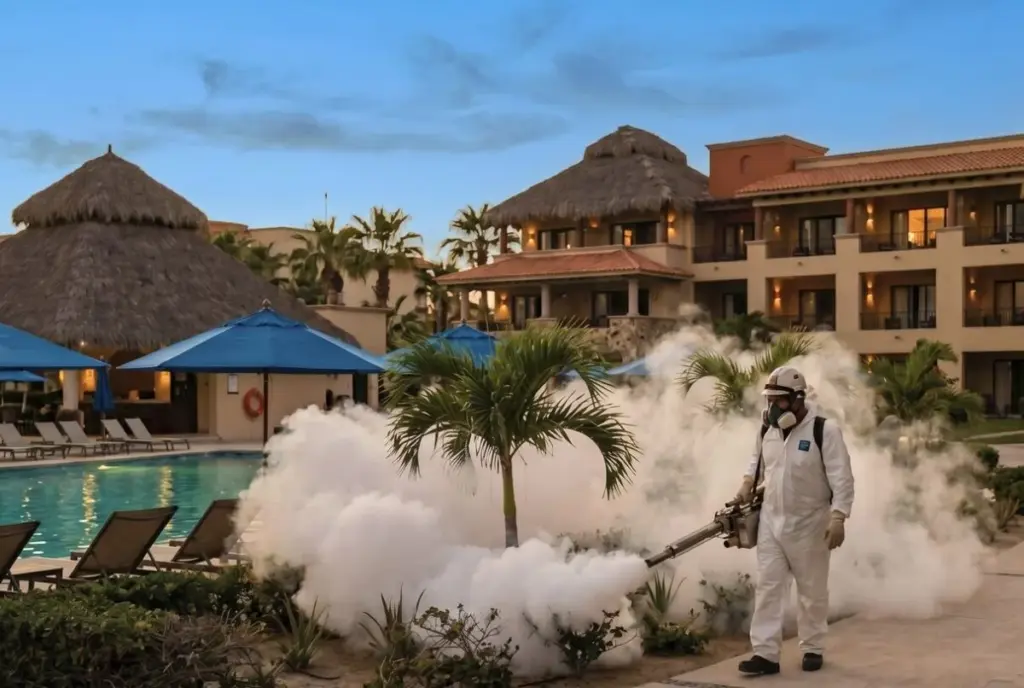
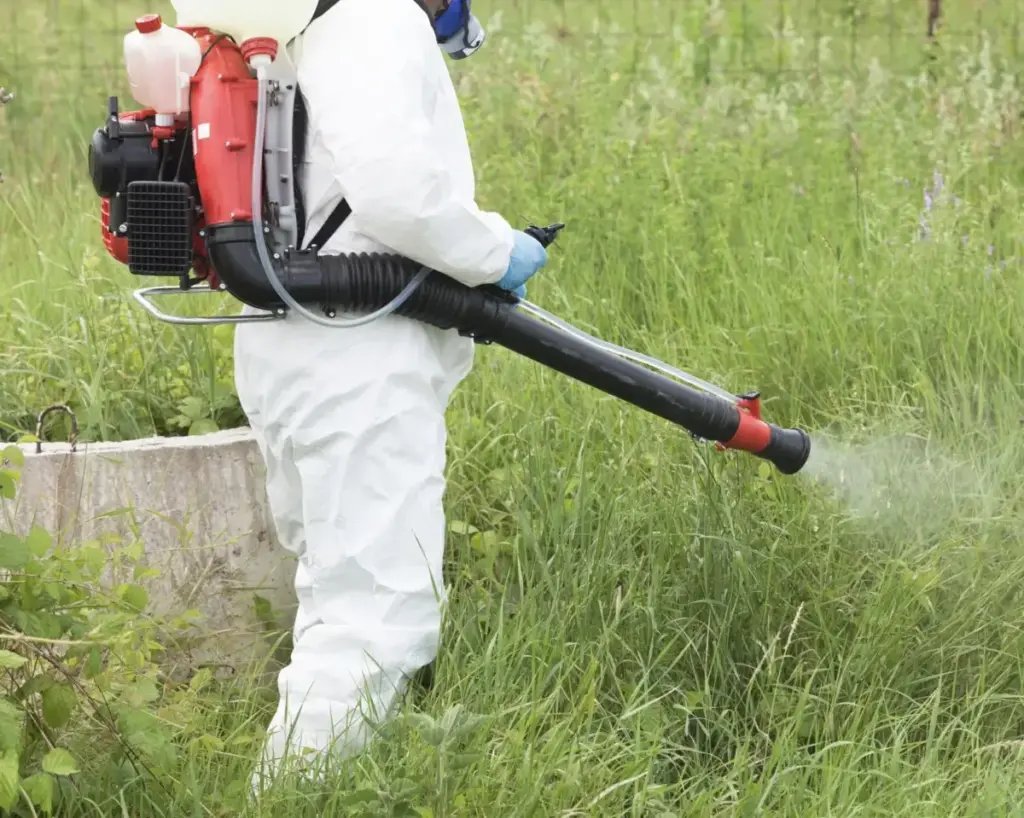
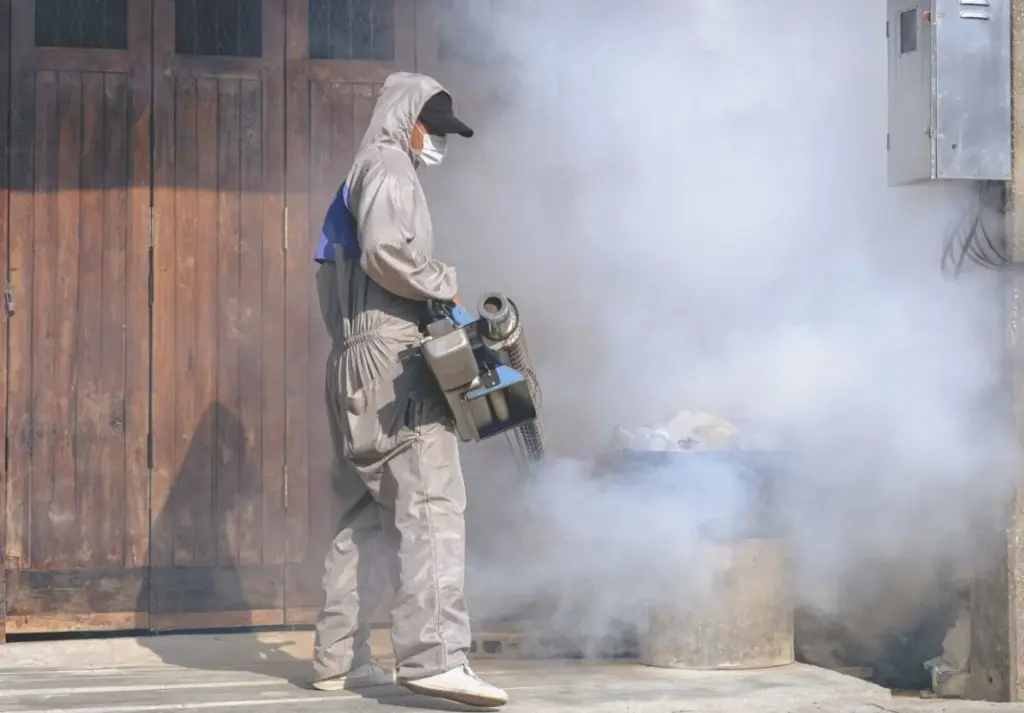
Local government teams are already actively working to contain the spread. They are running widespread fogging campaigns in residential neighborhoods and public areas to knock down the adult mosquito population before it can multiply further.
What Exactly Is Dengue Fever?

Dengue is a viral infection that is transmitted directly to humans through the bite of an infected mosquito. Specifically, it is spread by the Aedes aegypti mosquito, which thrives in warm, tropical climates.
You can not catch this illness from another person. If someone in your travel group or at your resort gets sick, they can not pass it to you by coughing, sharing a drink, or standing nearby. The only way the virus moves is through the bite of a carrier mosquito.
These specific mosquitoes tend to live close to human environments. They do not breed in the ocean or massive moving bodies of water. Instead, they look for small, artificial containers of standing water to lay their eggs.
According to epidemiology experts in the region, a mosquito egg takes about seven to ten days to hatch and turn into a biting adult. Once fully grown, that mosquito has a lifespan of up to thirty days.
Symptoms You Need To Watch Out For
While you are highly unlikely to catch the virus if you take basic precautions, it is always smart to know what your body might feel like if you do get a bite from an infected bug. The symptoms usually hit suddenly and can feel very similar to a severe flu.
The most common sign is a sudden, very high fever. This is usually accompanied by a pounding headache that can quickly drain your energy.
Patients also regularly report experiencing intense muscle pain and severe joint pain throughout their entire body. This deep aching is one of the trademark signs that the infection is active in your system.
In rare, extreme cases, the illness can progress and cause internal hemorrhaging. However, most healthy travelers who catch the virus will experience a few days of miserable flu-like symptoms before recovering with rest and hydration.
If you start feeling any of these symptoms while you are on your trip, do not try to tough it out in your hotel bed. Authorities strongly advise going to the nearest local clinic or having the hotel doctor check you out immediately for proper care.
Simple Prevention Strategies For Tourists
The best way to handle dengue fever is simply not to get bitten in the first place. Disease prevention starts with controlling the breeding grounds where mosquitoes multiply.
Local authorities push a very straightforward strategy for residents: cover, clean, turn over, and throw away any containers that can hold water. While you are not responsible for cleaning up the city, you can apply this to your own space. If you have a bucket or an empty cup holding rainwater on your resort balcony, dump it out immediately.
When the city sends out fumigation trucks, locals are advised to open their doors and windows to let the fog clear out the bugs. For tourists staying in luxury resorts, you are already highly protected from these risks.
Los Cabos Health & Safety Update
Major hotels have their own aggressive pest control protocols. They constantly fog the resort grounds, treat their landscaping, and ensure there is absolutely no stagnant water sitting around the pool decks.
If you are planning to leave the resort to explore downtown San Jose del Cabo, take a boat tour, or walk the marina, just throw on some bug spray. Repellents containing DEET are incredibly effective at keeping you off the menu.
Make a habit of applying bug spray right after you put on your sunscreen, especially if you are heading out during the early morning hours or right at sunset when mosquitoes are the most active. Pack a small bottle in your day bag, stay aware of your surroundings, and go enjoy your incredible vacation in Los Cabos without any stress.
Join Our Cabo Sun Community of 20,000+ Members
Get real-time answers to your travel questions from our team of local experts and thousands of fellow travelers directly inside our interactive group.
Find Your Perfect Los Cabos Resort In Seconds
This simple, powerful tool was built by our on-the-ground experts to match you with the ideal resort for your specific budget and travel style.
The Ultimate Cabo Trip Planner
When’s the best time to go? Our powerful month-by-month guide breaks down the weather, crowds, hotel rates, and whale watching seasons for your perfect trip.
Enter your email address to subscribe to The Cabo Sun’s latest breaking news affecting travelers, straight to your inbox.
L T
Thursday 16th of July 2026
Just wondering how long these mosquitos are around, and which months are most active