
You’ve packed your bags and hopped into your shuttle for what should be a straightforward drive to the airport. You are relaxed, sun-kissed, and ready for a smooth journey home. Then, everything hits a complete standstill. Miles of brake lights stretch out ahead of you on the Transpeninsular Highway, and the digital clock on your phone is ticking closer and closer to your departure time.
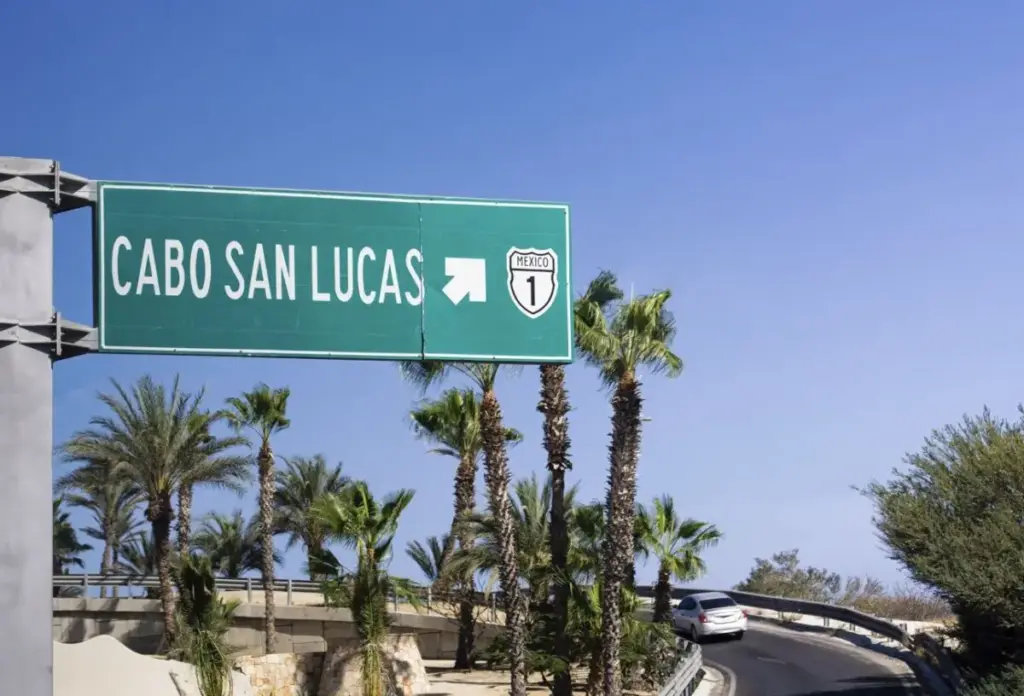
Lately, this nightmare scenario has turned into a harsh reality for a growing number of travelers. Unannounced road blockades have repeatedly paralyzed the destination, sparking intense concern throughout the local travel sector. The Transpeninsular Highway is the ultimate lifeline for the entire region. It is essentially the only route connecting the international airport to the resort corridors of San José del Cabo and Cabo San Lucas. Because there are no viable alternative routes, when protesters shut down the highway, the entire destination is instantly held hostage.
The frequency of these demonstrations is putting the local tourism industry on edge. Hotel executives and travel operators are warning that the city cannot afford to let these disruptive closures become the new normal.
The Recent Chaos On The Highway
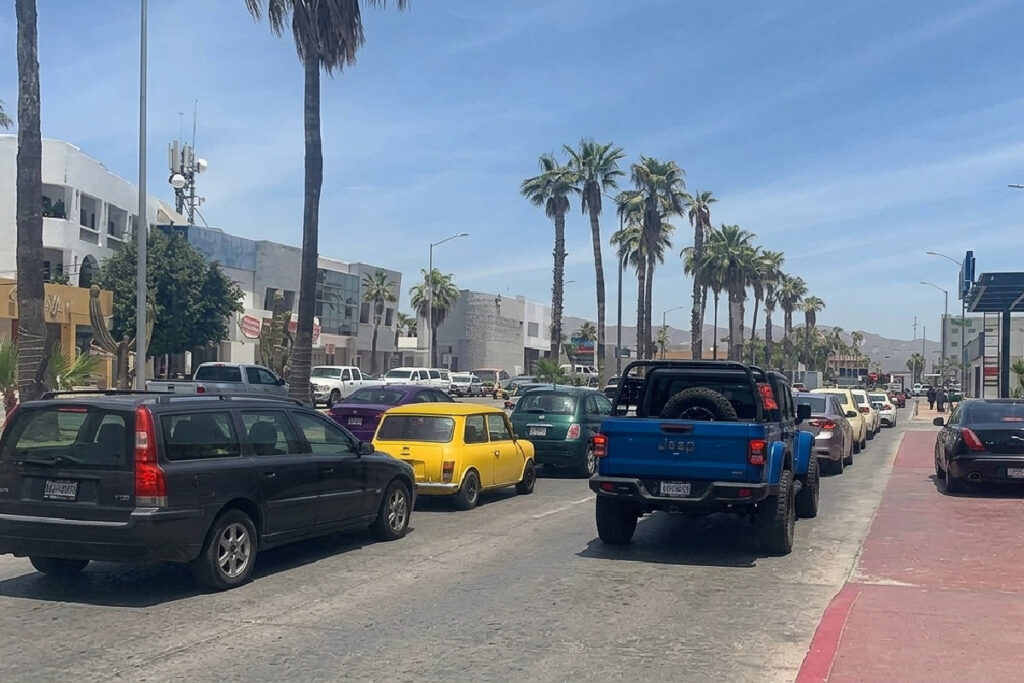
The gridlock we have seen recently has caused massive logistical headaches for visitors and locals alike. Just a couple of weeks ago, a massive protest by frustrated transport operators completely shut down the highway for over ten hours. The disruption was so severe it caused a domino effect across the entire travel network, even forcing a major cruise ship to cancel its scheduled docking.
Shortly after that incident, another blockade kept the main highway choked off for nearly seven hours. Local hotel leaders noted that the consequences of that specific multi-hour standstill were unimaginable. Countless tourists completely missed their flights back home, forced to scramble for last-minute hotel rooms and expensive airline rebooking fees.


The chaos cut both ways, too. Incoming tourists landing at the airport were forced to sit in transport vans for three to four hours just trying to reach their check-in desks, completely ruining their first impression of paradise. Furthermore, the gridlock severely disrupted resort operations because afternoon-shift employees simply could not get to work, leaving hotels short-staffed during peak check-in hours.
Hotel Leaders Issue A Stern Warning
The Los Cabos Hotel Association (AHLC) has officially voiced its deep concern regarding these escalating blockades. Executive President Lilzi Orcí warned that these prolonged demonstrations are happening with increasing frequency and, crucially, without any real legal consequences or repercussions from local law enforcement. This lack of legal precedent is creating a sense of deep uncertainty for both business operators and visitors.


Orcí pointed out that these road closures cause immediate, significant damage to the destination’s hard-earned image. If travelers begin to perceive Los Cabos as an unreliable or frustrating place to navigate, they will simply take their vacation dollars elsewhere.
This reputational risk comes at a highly sensitive time. Local authorities admit that current tourism indicators—including total visitor arrivals, year-over-year growth, and overall hotel occupancy rates—are not showing the same historic levels of strength seen in previous years. Because the market is already experiencing a slight softening, the destination is simply not in a position to absorb the fallout from constant highway closures.

Local Authorities Race To Build A Common Front
The good news for travelers is that local leaders and business groups are finally fighting back against the gridlock. Government officials, airport directors, and the Business Coordinating Council have formed a specialized inter-institutional working group to tackle the crisis head-on.
The ultimate goal is to establish permanent, rapid-response protocols to resolve civic disputes before they ever spill onto the asphalt. Under instructions from the municipal government, authorities are focusing on strict prevention and early dialogue. While the city fully respects the constitutional right to freedom of expression, officials are drawing a hard line: public protests cannot violate the public’s fundamental right to free transit.
Airport infrastructure is the lifeblood of regional economic stability. By synchronizing preventive measures and maintaining open communication lines between hoteliers and law enforcement, the city is building a common front to safeguard public order.
Highway Protests
What This Means For Your Upcoming Trip
If you have a vacation booked to the region later this year, there is no need to cancel your travel plans. The local government and the private sector are highly incentivized to protect the destination, and permanent solutions are actively being engineered.
However, traveling smart in 2026 means factoring in these modern logistical realities. For the time being, the smartest move you can make is to significantly pad your travel buffer when heading back to the airport. Instead of leaving your resort the standard three hours before an international flight, talk to your concierge and aim for four to five hours. If the highway is perfectly clear, you simply get extra time to relax at the airport lounge. If an unexpected closure pops up, that extra time will be the exact buffer that saves you from a missed flight and an expensive travel headache.
The Ultimate Cabo Trip Planner
When’s the best time to go? Our powerful month-by-month guide breaks down the weather, crowds, hotel rates, and whale watching seasons for your perfect trip.
Find Your Perfect Los Cabos Resort In Seconds
This simple, powerful tool was built by our on-the-ground experts to match you with the ideal resort for your specific budget and travel style.
Subscribe to our Latest Posts
Enter your email address to subscribe to The Cabo Sun’s latest breaking news affecting travelers, straight to your inbox.